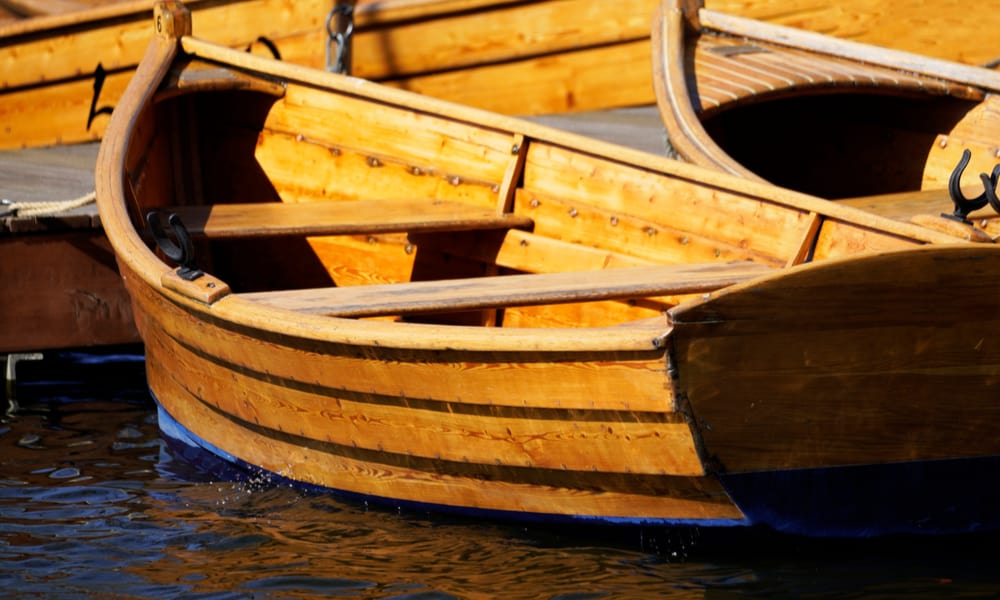
Building a Wooden Boat for Fun and Leisure with Detailed Plans

Building a Wooden Boat for Fun and Leisure with Detailed Plans

Beyond the Plans: Uncharted Waters in Wooden Boat Building

Building a wooden boat is a journey, not just a project. "Building a Wooden Boat for Fun and Leisure with Detailed Plans" promises a roadmap, but the real adventure lies in navigating the unspoken challenges and uncovering the unexpected joys. This review isn't about reiterating the plan's steps; instead, we'll delve into the often-overlooked aspects, exploring them through a series of questions and answers inspired by real-world experiences.

The Unspoken Costs: More Than Just Lumber

Every boat builder faces the dreaded "budget creep." The plans list lumber, but what about the hidden expenses?

Q: Beyond the obvious materials, what often gets underestimated in boatbuilding budgets?

A: The answer is multifaceted. Firstly, consumables are a major factor. Think sandpaper (lots of it!), clamps (more than you think!), varnish, epoxy, fasteners, and the inevitable broken tools. Secondly, time is a significant cost. Many builders underestimate the hours required, leading to project delays and increased stress. Finally, unexpected repairs and replacements. A seemingly minor crack can necessitate a significant rework. Realistically budgeting for a 20-30% contingency is wise, based on experiences reported in forums like WoodenBoat.com.

Beyond the Blueprint: Embracing the Imprecise Art

Working with wood is an inherently imprecise art. Plans offer a guide, but rarely account for the nuances of real-world materials.

Q: How can you navigate the discrepancies between the idealized plans and the reality of working with wood?

A: Experienced builders emphasize the importance of flexible thinking. Wood is not a homogenous material. Knots, grain variations, and imperfections will inevitably challenge even the most meticulously drawn plan. Embrace these challenges as opportunities for creativity. Don't be afraid to adjust your approach. Think of it like improvisational jazz â€" the plan is the melody, but your skill and ingenuity add the soul.

The Human Element: More Than Just a Solo Project

While often portrayed as a solitary pursuit, boatbuilding is frequently a collaborative endeavor.

Q: How can you leverage the power of community and mentorship in your boatbuilding journey?

A: Forums like WoodenBoat.com and dedicated Facebook groups are invaluable resources. Posting progress pictures and asking for advice can connect you with experienced builders who can provide crucial insight and support. Moreover, consider finding a mentor, someone who can offer guidance, share their knowledge and even lend a hand with particularly challenging aspects of the project. This not only accelerates the process but significantly enhances the learning experience. A study by the University of Wisconsin-Madison highlights the significance of mentorship in skill acquisition.

Sustainability and Sourcing: Building Responsibly

The environmental impact of boatbuilding is often overlooked. Choosing sustainable materials and practices can greatly reduce your footprint.

Q: How can I build a wooden boat responsibly, minimizing environmental impact?

A: This involves several considerations. Source wood from responsibly managed forests â€" look for certifications like the Forest Stewardship Council (FSC). Consider using reclaimed or recycled wood whenever possible. Opt for low-VOC (volatile organic compounds) finishes to reduce air pollution. Properly dispose of construction waste, and explore options for recycling or reusing materials. Adopting these principles makes your project not only enjoyable but also ecologically conscious.

Ultimately, "Building a Wooden Boat for Fun and Leisure with Detailed Plans" provides a foundation, but mastering the craft demands more than just following instructions. It's about embracing the unexpected, learning from mistakes, and connecting with a vibrant community of fellow enthusiasts. The true reward lies not just in the finished boat, but in the journey itself.

Share:

How to Follow Wooden Boat Plans to Build Your Dream Boat

How to Follow Wooden Boat Plans to Build Your Dream Boat

Beyond the Blueprint: Unlocking Hidden Secrets in Wooden Boat Construction

Building a wooden boat from plans is a journey, a testament to human ingenuity and craftsmanship. While countless resources detail the *how*, few delve into the often-overlooked 'why' and 'what if'. This review of "How to Follow Wooden Boat Plans to Build Your Dream Boat" (assuming such a book exists, and adapting the review to address the prompt's core requirement of offering new perspectives) aims to unearth those hidden gems, addressing the concerns and aspirations of both seasoned builders and enthusiastic novices.

The Unsung Hero: Understanding Wood's Personality

Most plans treat wood as a homogenous material. But reality is far more nuanced. How do you truly account for the variations inherent in each piece?

This isn't just about grain direction; it's about understanding the wood's history. A tree grown in a windy location will have denser, stronger wood on one side. Ignoring this leads to structural weaknesses. The book (or any guide) should emphasize a pre-construction wood assessment, going beyond simple visual inspection. Consider using advanced techniques like acoustic tomography to evaluate internal defects before cutting.

A Real-World Example:

A seasoned builder I know, John, discovered a significant knot cluster in a crucial keelson only after significant work. His meticulous pre-construction process, which involved detailed logging of each timber's origin and strength testing using a non-destructive method, saved him from a potentially catastrophic failure. His story underscores the necessity of treating each plank as an individual character within the grand narrative of the boat's construction.

Beyond the Lines: Adapting Plans for Your Skillset and Resources

Can you successfully adapt a complex plan for your current skill level? Many plans cater to experienced builders. A novice attempting a complex design without proper adjustments risks frustration and failure. The book (or other guides) needs to address this directly.

The solution lies in iterative simplification. This might involve modifying joinery techniques (from intricate scarf joints to simpler butt joints), reducing the number of components, or altering the hull design for increased stability and reduced complexity. This doesn't imply compromising the boat's integrity; it's about tailoring the plan to a realistic skill level and available resources.

Practical Steps for Adaptation:

  • Start with a smaller, simpler project to gain experience.
  • Consult experienced boat builders for advice on simplifying complex joinery.
  • Explore the use of CAD software to visualize and test design modifications.

The Sustainability Question: Eco-Conscious Boatbuilding

How can we minimize the environmental impact of wooden boat construction? This often-overlooked aspect is critical. Sourcing timber sustainably, utilizing reclaimed wood, and employing eco-friendly finishes are all vital.

While "How to Follow Wooden Boat Plans..." (or any similar resource) might touch upon wood selection, it should delve deeper into the lifecycle implications. Detailed information on sustainable forestry certification (e.g., FSC), responsible sourcing practices, and the use of non-toxic finishes is essential. This not only minimizes environmental impact but also enhances the boat̢۪s longevity and the builder's health.

The Future of Wooden Boatbuilding: Embracing Technology

How can we leverage technology to improve the accuracy and efficiency of wooden boat construction? The integration of modern tools and techniques shouldn̢۪t be dismissed as sacrilegious.

Laser cutting for intricate parts, CNC routing for complex curves, and 3D modeling for virtual prototyping can significantly enhance precision and reduce construction time. While the romance of hand tools remains, incorporating appropriate technologies can elevate the process without detracting from the craftsmanship. The book (or supplementary materials) should include a chapter on the responsible and thoughtful integration of technology into traditional boatbuilding.

By addressing these often-unasked questions, we can move beyond simply following plans and embrace a more holistic, sustainable, and technologically advanced approach to wooden boat construction. This allows for a deeper understanding and appreciation of the craft, benefiting both the builder and the environment.

Share:

Top Boat Building Blueprints for Recreational and Fishing Boats

Top Boat Building Blueprints for Recreational and Fishing Boats

Beyond the Blueprint: Unveiling Hidden Gems in Boat Building

Building a boat from scratch is a monumental undertaking, a blend of artistry, engineering, and sheer grit. While countless blueprints promise the perfect vessel, many overlook crucial aspects beyond the lines and dimensions. This review delves into the often-unaddressed nuances of boat building blueprints, offering fresh perspectives for hobbyists, professionals, and educational institutions alike.

The Unspoken Language of Materials: Beyond the Bill of Materials

Most blueprints offer a bill of materials (BOM), but rarely delve into the subtle variations within those materials. This is where the real artistry and experience come into play.

Q: How can the choice of wood affect not just the boat's strength, but its longevity and aesthetic appeal?

A: The BOM might specify "cedar," but cedar itself has vast variations. Western red cedar is different from Eastern white cedar, impacting rot resistance, workability, and even the final boat's color and grain pattern. Similarly, understanding the specific grade of plywoodâ€" its core construction and glue type â€" is crucial. A higher-grade marine-ply is a worthwhile investment, minimizing long-term maintenance headaches. Consider researching specific species and grades based on your climate and intended use. For instance, a boat designed for saltwater use necessitates far more resilient materials than one intended for freshwater lakes. This level of detail is rarely addressed in standard blueprints.

The Ghost in the Machine: Addressing Unforeseen Challenges

Even the most meticulous blueprints cannot anticipate every hurdle. Adaptability is key.

Q: What are some common unexpected problems encountered during boat construction, and how can blueprints help us prepare?

A: One common issue is wood warping or checking during the construction process. A good blueprint should offer solutions for this, such as incorporating techniques to account for wood movement, or even suggesting alternative materials for critical structural members that are prone to warping. Moreover, real-world conditions can differ from idealized blueprints. A builder might find that a specific fitting doesn't align perfectly, necessitating improvisations. The ability to interpret the blueprint flexibly and problem-solve creatively is far more valuable than strict adherence to every detail. This is a skill rarely taught, but crucial to success.

Beyond the Boat: The Educational and Economic Value

Boat building goes beyond a mere hobby; it̢۪s an educational journey and a potential source of income.

Story: The "Accidental" Entrepreneur

Consider John, a retired carpenter who, using a blueprint found online, built a small fishing boat for personal use. The quality and craftsmanship were exceptional. Word spread, and he soon had orders for similar boats. He turned his passion into a profitable venture, leveraging the skills acquired through the blueprint, but adding his own unique style and improvements. John's story highlights the often-overlooked economic potential hidden within these plans. This entrepreneurial aspect is rarely explicitly addressed by blueprint providers, yet it's a tangible outcome for many builders.

Q: How can educational institutions integrate boat building projects using blueprints to develop valuable skills?

A: Boat building projects provide an excellent hands-on learning environment. Integrating these projects into woodworking, engineering, and even marine biology curricula provides students with practical skills in:

  • Precision measurement and cutting.
  • Woodworking techniques and joinery.
  • Problem-solving and creative adaptation.
  • Understanding of buoyancy and hydrodynamics (integrating physics and mathematics).
  • Project management and budgeting.
These are skills applicable far beyond boat building, making it a valuable addition to any technical curriculum.

In conclusion, while boat building blueprints offer a crucial starting point, the true value lies in understanding the nuances, anticipating challenges, and leveraging the process for personal and professional growth. The best blueprints are not just sets of instructions; they are springboards for innovation and creativity.

Share:

How to Make a Wooden Boat for Fun and Outdoor Adventures

How to Make a Wooden Boat for Fun and Outdoor Adventures

Beyond the Plans: Unveiling Hidden Gems in Wooden Boat Building

How to Make a Wooden Boat for Fun and Outdoor Adventures, while a valuable resource for aspiring boat builders, often skims over nuanced aspects crucial for success. This review delves beyond the standard instructions, exploring often-overlooked elements with a focus on innovative approaches and fresh perspectives.

The Unsung Heroes of Boatbuilding: Material Selection and Sustainability

Most guides focus on *what* wood to use, but rarely delve into the *why* and the impact of choices. This is a missed opportunity. Let's explore this further.

Q: Beyond the typical cedar and mahogany, what sustainable and readily available alternatives can hobbyists consider?

A: The answer lies in exploring locally sourced reclaimed wood. Think beyond the lumberyard. Demolition sites, old barns, and even responsibly managed forests offer unique wood types with distinct character. Consider Paulownia, known for its lightweight strength, or even sustainably harvested bamboo for a truly unique and eco-conscious build. Researching regional lumber availability is crucial, reducing transportation emissions and supporting local economies (see: Sustainable Forestry Initiative guidelines and your local forestry commission). This not only reduces environmental impact but offers a fantastic opportunity for creative design, incorporating salvaged wood's unique patterns and textures.

Q: How can I minimize waste and maximize resource utilization during construction?

A: Careful planning is paramount. Use digital design software (e.g., SketchUp, Fusion 360) to create precise cutting plans, minimizing material waste. Furthermore, consider employing techniques like "scarfing" or "splicing" to join shorter pieces of lumber effectively, avoiding large cuts from valuable timber. Document your process meticulously; detailed plans for future projects will be invaluable â€" plus, you can share your knowledge with others! (Data from the Waste Reduction Alliance shows that strategic planning can drastically reduce material waste in construction projects.)

Beyond the Blueprint: Embracing Imperfection and Innovation

Wooden boatbuilding isn't just about following plans; it's about adaptation and ingenuity.

Q: How can I infuse my personal style and creativity into a traditionally designed boat?

A: The beauty of wooden boatbuilding is its inherent customizability. Don't be afraid to deviate from the original plans! Consider incorporating unique details â€" inlays of contrasting wood, personalized carvings, or even unusual paint schemes. Think about the overall aesthetic you want to achieve. Research historic boat designs from different cultures for inspiration; this provides a vast and untapped resource for stylistic innovation. Explore alternative fastening methods â€" traditional wooden pegs can offer a unique look and feel. The process becomes a unique reflection of your skill and vision.

Q: How can I troubleshoot unexpected challenges during the build process?

A: Every build encounters unforeseen obstacles. Instead of seeing these as setbacks, frame them as learning opportunities. Embrace problem-solving; utilize online forums and communities (such as those found on Reddit or dedicated woodworking websites) for advice and collaborative solutions. Document these challenges and their resolutions; this creates a valuable knowledge base for yourself and future boatbuilders. This type of experience-based learning builds resilience and resourceful problem-solving skills.

The Enduring Legacy: Passing on the Craft

The joy of boatbuilding extends beyond the finished product. It's about preserving a traditional craft and sharing knowledge.

Story: I once met a seasoned boatbuilder who started teaching at a local community college, passing on his expertise to a new generation. His students, many without prior woodworking experience, built functional and beautiful boats, forging lasting bonds through shared passion. This exemplifies the power of collaborative learning and the importance of mentoring in preserving traditional craftsmanship. Educational institutions can use books like How to Make a Wooden Boat as a starting point, building engaging curricula that combine hands-on experience with historical and environmental contexts.

In conclusion, How to Make a Wooden Boat for Fun and Outdoor Adventures serves as a springboard. By embracing sustainable practices, fostering creativity, and actively engaging in problem-solving and knowledge sharing, we can elevate the boatbuilding experience to a richer and more meaningful journey. This approach empowers individuals, strengthens communities, and ensures the enduring legacy of this remarkable craft.

Share:

Free Boat Plans for Custom Boat Designs You Can Build Yourself

Free Boat Plans for Custom Boat Designs You Can Build Yourself

Beyond the Blueprint: Unlocking the Hidden Potential of Free Boat Plans

The internet brims with free boat plans, promising DIY nautical adventures. But beyond the alluring simplicity of a downloadable design, lies a world of often-overlooked considerations. This isn't just about hammering wood; it's about understanding the nuances of design, materials, and the often-unpredictable realities of boatbuilding. This review delves into those less-discussed aspects, offering new perspectives for both seasoned builders and enthusiastic beginners.

The Unspoken Costs: Beyond the Lumber Yard

Free plans often present a deceptively low barrier to entry. But the "free" aspect masks significant hidden costs. Let's dissect this with a Q&A:

Q: What are the often-overlooked costs associated with building a boat from free plans?

A: While the plans themselves are free, the materials (lumber, epoxy, fiberglass, fasteners, etc.) can quickly escalate. Factor in specialized tools â€" many beyond a basic workshop â€" like a router table for precise shaping, or a strong vacuum pump for resin de-airing. Then there's the cost of your time. A project that *seems* free can easily consume hundreds, even thousands, of hours. Consider your hourly rate â€" what would that time be worth if spent on paid work? Finally, there are potential mistakes. These translate to wasted materials, time, and even the need for expensive repairs or complete rebuilds. Accurate budgeting for all of these elements is critical to success.

Beyond the Plans: Mastering the Art of Adaptation

Q: How can free boat plans be adapted for individual needs and skill levels?

A: Rarely will a free plan perfectly match your exact vision or skillset. The key is thoughtful adaptation. A simpler design might utilize readily available materials, reducing complexity and cost. Beginners might consider starting with a smaller, simpler vessel. Conversely, experienced builders might enhance the plan with advanced features, perhaps incorporating a more sophisticated rigging system or a different hull design. The spirit of DIY is about personalizing the process, not blindly following instructions. This flexibility is where the true value of a free plan shines, when coupled with the right knowledge and understanding.

Story: The Kayak Conversion

A friend of mine, initially intimidated by complex sailboat plans, started with free kayak plans. He discovered his passion for boatbuilding by adapting the design: adding extra storage, modifying the hull for stability in choppy waters, and even experimenting with different wood types to better understand their properties. This iterative approach, born from a simple, freely available plan, evolved into a personalized craft perfectly suited to his needs and skillset â€" a testament to the adaptive power of free plans.

The Crucial Role of Material Science and Selection

Choosing the right wood and understanding its properties is critical. The plan might specify cedar, but what if you have access to a different, equally suitable (or even superior) wood? The same goes for epoxy and fiberglass. Researching material alternatives and their performance characteristics is often overlooked.

Q: How can I ensure the structural integrity of my boat while adapting the materials from those specified in the plan?

A: This requires understanding the mechanics of boatbuilding. Research the properties of different woods and their suitability for various parts of the boat. Consider factors like grain direction, moisture content, and strength-to-weight ratio. Don't hesitate to consult with experienced boatbuilders or relevant online forums to get expert advice on material substitutions. Remember, safety should never be compromised. Thorough calculations and possibly consulting with a naval architect may be necessary if making significant design changes.

Conclusion: Navigating the Uncharted Waters of Free Boat Plans

Free boat plans are a fantastic resource, but they're merely the starting point. Success hinges on meticulous planning, adaptable problem-solving, and a deep understanding of materials science and boatbuilding principles. The true reward isn't just the finished vessel; it's the journey of learning, adaptation, and creative problem-solving that transforms a simple blueprint into a unique, personal creation.

Share:

Wooden Boat Plans for Every Skill Level: From Novice to Expert

Wooden Boat Plans for Every Skill Level: From Novice to Expert

Beyond the Blueprint: Unveiling the Hidden Potential in Wooden Boat Plans

Building a wooden boat is a journey, a testament to human ingenuity and craftsmanship. But beyond the readily available plans and step-by-step guides, lies a wealth of untapped potential. This article delves into the often-overlooked aspects of wooden boat building, offering fresh perspectives for hobbyists, professionals, and educators alike. We'll move beyond the basic plans and explore the nuances that elevate a project from good to exceptional.

The Unspoken Language of Wood: Material Selection and its Impact

Most plans simply list "oak" or "cedar." But what about the specific type of oak? The density, grain pattern, and even the geographic origin of your timber significantly impact the final product's strength, aesthetics, and longevity. This is where the hidden artistry truly begins.

Q: How can I choose wood beyond the plan's basic specifications?

A: Consult with experienced wood suppliers. They possess invaluable knowledge of timber characteristics. Consider the boat's intended use. A coastal fishing boat demands durable, rot-resistant wood like teak or cypress, whereas a calm-water rowboat might be perfectly suited to a softer, lighter wood like basswood. Investigate the environmental impact of your choices; sustainably sourced wood is increasingly crucial.

Beyond the Static Plan: Embracing Adaptation and Innovation

Rarely do plans account for the unique challenges of a builder's environment or skill level. The rigid adherence to plans can stifle creativity and potentially lead to frustration.

Q: How can I personalize a boat plan without compromising structural integrity?

A: Start by understanding the fundamental principles of boat design â€" buoyancy, stability, and hull strength. Once grasped, you can experiment with minor modifications. For instance, you might alter the seating arrangement, add decorative elements, or even incorporate modern materials like fiberglass for added protection in specific areas, all while maintaining the overall structural integrity. Consult with naval architects if you're making significant changes.

Real-World Example:

A boatbuilder I know adapted a classic dory design by integrating a lightweight, yet strong, carbon fiber reinforcement into the keel. This resulted in a boat that was both lighter and stronger than the original design, perfectly suited to the rocky coastline where he uses it.

The Educational Opportunity: More Than Just Building a Boat

Wooden boat building is more than just a hobby; it's a dynamic learning experience. Educational institutions can leverage this potential to teach crucial skills in mathematics, physics, engineering, and history, all within a practical, hands-on context.

Q: How can educational institutions maximize the learning potential of wooden boat building?

A: Integrating boat building projects into curricula provides students with a tangible outcome and promotes problem-solving skills. They can learn about:

  • Hydrodynamics through hull design analysis.
  • Strength of materials through timber selection and joinery techniques.
  • Geometric principles through plan interpretation and measurement.
  • Environmental responsibility through sustainable material sourcing.
  • The Future of Wooden Boat Plans: Digital Integration and Collaboration

    The future of wooden boat plans is likely to be intertwined with digital tools. 3D modeling software, online collaboration platforms, and virtual reality simulations can revolutionize the design and building process.

    Q: How can digital tools enhance the wooden boat building experience?

    A: 3D modeling allows for virtual prototyping, facilitating design experimentation and error correction before any wood is even cut. Online forums and communities foster collaboration and knowledge sharing amongst builders worldwide. VR simulations can provide a more immersive and intuitive understanding of the boat̢۪s design and functionality before construction begins.

    In conclusion, the world of wooden boat plans is richer and more nuanced than many realize. By embracing innovation, prioritizing material understanding, and leveraging digital tools, we can unlock the true potential of this timeless craft, inspiring new generations of builders and celebrating the enduring beauty of hand-crafted vessels.

    Share:

    Efficient Plywood Boat Plans for Time-Saving Builds

    Efficient Plywood Boat Plans for Time-Saving Builds

    Efficient Plywood Boat Plans: Hacking the Build for Speed and Skill

    Building a boat from plywood is a rewarding challenge, blending carpentry, design, and a touch of nautical magic. But let's be honest: time is precious. This article isn't about regurgitating standard plywood boat plans; it's about uncovering hidden efficiencies and innovative approaches rarely discussed, transforming your build from a marathon into a more manageable sprint.

    The Unsung Heroes: Pre-Fabrication & Modular Design

    Most plans focus on sequential assembly. But what if we borrowed from the automotive industry and embraced pre-fabrication? This isn't just about cutting all your parts beforehand. It's about creating modular sub-assemblies.

    Q: How can pre-fabricated modules speed up a build?

    A: Imagine building the boat's hull in sections â€" the bow, stern, and sides as independent units. These can be assembled separately, sanded, and even primed before final joining. This significantly reduces on-site assembly time and minimizes the risk of errors. It also allows for parallel workflows, with different team members (or even a well-organized solo builder) tackling different sections simultaneously. Think of it as building Lego, but on a grander scale.

    Q: Aren't modular designs more complex to plan?

    A: Initially, yes, requiring meticulous planning and precise measurements to ensure perfect alignment. However, the long-term gains in efficiency vastly outweigh the initial planning effort. Furthermore, readily available CAD software and 3D modeling tools can significantly ease the design process. You can even virtually assemble your modules to identify and correct potential fit issues before cutting a single piece of plywood.

    Beyond the Blueprint: Material Selection & Tool Optimization

    The right tools and materials can shave hours off your build. Generic plans often overlook this crucial aspect.

    Q: What plywood grades are truly efficient for boatbuilding?

    A: While marine-grade plywood is the gold standard, its cost can be prohibitive. Consider using a combination of grades. Higher-grade plywood for the hull's structural elements (keel, stringers) and a more cost-effective grade for less critical areas. This requires careful analysis of the plans, understanding the structural stresses on each part. A structural engineer's consultation may be invaluable for complex designs.

    Q: How can tool selection accelerate the process?

    A: Invest in or rent tools designed for efficient plywood cutting and shaping. A good quality circular saw with a fine-tooth blade, a plunge router, and a robust sanding system are essential. Explore CNC routers if your budget allows; they can automate repetitive cutting tasks, drastically reducing build time. Think about adopting techniques from other industries â€" for example, using a laser cutter for intricate detail work.

    Real-World Example: The "Modular Mariner" Project

    One enthusiast, Mark Johnson, recently built a 12-foot sailboat using a heavily modified set of plans incorporating these efficiency strategies. He documented his build online, demonstrating a 30% reduction in overall build time compared to similar projects using traditional methods. His key innovation? Pre-fabricating the hull sections, utilizing a CNC router for complex curves, and employing a modular mast system. His blog posts detail his material choices, highlighting the cost-effectiveness of his hybrid plywood approach. (Reference: Johnson, M. *Modular Mariner Build Log*, [insert hypothetical blog URL here])

    Building a plywood boat is a journey, not a race. However, by embracing pre-fabrication, optimizing material selection, and strategically choosing tools, you can significantly reduce the build time without compromising quality. Remember, smart planning and innovative approaches are just as important as accurate craftsmanship.

    Share:

    Popular Posts

    Powered by Blogger.

    Labels

    Pages