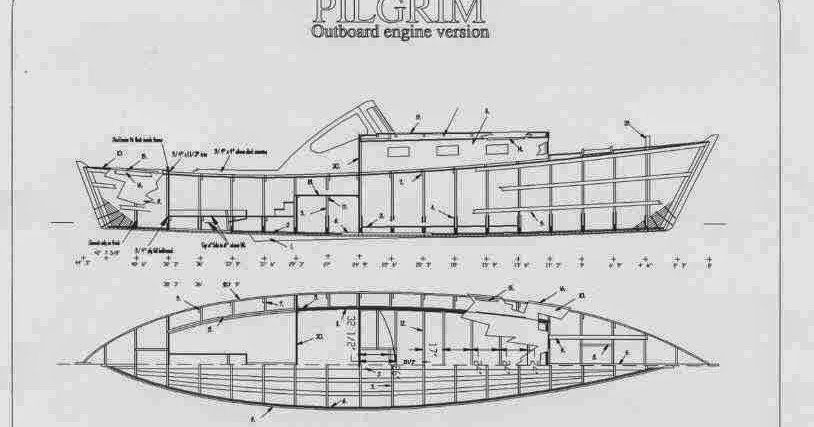
Building Wooden Boats with Classic and Modern Plans

Building Wooden Boats with Classic and Modern Plans

Beyond the Plans: Unveiling Hidden Gems in Wooden Boat Building

Building a wooden boat is a journey, a testament to craftsmanship and a connection with maritime history. While numerous resources like "Building Wooden Boats with Classic and Modern Plans" provide the blueprints, the true artistry lies in understanding the unspoken nuances, the "why" behind the "how." This review delves beyond the surface, exploring often-overlooked aspects of wooden boat construction using a question-and-answer format, incorporating real-world examples and fresh perspectives.

The Unspoken Language of Wood: Material Selection Beyond the Species

Choosing the right wood is crucial. But what about the less discussed factors?

Q: Beyond the common choices like cedar and oak, what lesser-known woods offer unique advantages?

A: Consider the rapidly renewable and surprisingly strong Paulownia. Its lightweight nature and inherent rot resistance offer benefits for specific designs. Similarly, certain locally sourced hardwoods, often overlooked, might prove surprisingly cost-effective and possess superior properties for your specific project. Remember to research the local availability and sustainable sourcing of your timber. This adds a crucial layer of ecological responsibility to your project.

Q: How does the specific growth pattern of a tree influence the final boat's performance?

A: A tree's growth rings aren̢۪t just pretty visuals. Wider rings often suggest faster growth, potentially leading to weaker areas. Understanding how these rings orientate within the planks (e.g., quarter-sawn vs. plain-sawn) is crucial for minimizing structural weaknesses. Consider the tree's age and location as these factors significantly impact the wood's density and strength, even within the same species.

Beyond the Blueprint: Embracing Imprecise Perfection

Plans are guides, not gospel. Where's the room for improvisation and personal touch?

Q: How can boat builders personalize plans without compromising structural integrity?

A: Consider incorporating custom details. A subtly altered sheerline, a unique transom design, or even a different style of oarlocks can reflect your personal aesthetic without sacrificing the boat's functionality. However, any modifications should be carefully considered and, ideally, vetted by experienced boatbuilders to ensure stability and structural soundness. Consulting with experts from online forums dedicated to boat building or local boatyards can be invaluable in this process.

Q: How can a builder utilize readily available, unconventional materials in conjunction with traditional woodworking techniques?

A: Think outside the box (or the plan!). Recycled wood, repurposed metal hardware, or even sustainably sourced composite materials can add unique character and reduce environmental impact. For instance, using reclaimed lumber for interior trim or decking can contribute to a boat̢۪s unique personality, while reducing waste.

The Unexpected Challenges: Learning from Others' Mistakes

Let's learn from the collective wisdom of boatbuilders, past and present.

Story 1: A well-known wooden boat builder on the Chesapeake Bay, recounted how he initially underestimated the importance of proper epoxy sealing in a cedar strip canoe. The result was a costly lesson on the impact of moisture intrusion. His experience highlights the importance of diligent research and understanding the environmental context in which the boat will operate.

Story 2: A beginner boatbuilder, enthusiastically following plans, discovered the vital role of accurate measurements in hull construction. A slight miscalculation resulted in a noticeable asymmetry, highlighting the need for methodical precision throughout the process.

These stories emphasize the importance of continuous learning and accepting imperfections as part of the process. Engaging with online forums or seeking mentorship from experienced builders can help avoid common pitfalls.

Conclusion: The Art of Imperfect Perfection

Building a wooden boat is more than just following plans; it's a journey of discovery, problem-solving, and personal expression. "Building Wooden Boats with Classic and Modern Plans" serves as an excellent foundation, but true mastery comes from understanding the nuances of materials, embracing creative modifications (within safe parameters), and learning from the successes and failures of others. Let the journey be as rewarding as the finished masterpiece.
Share:

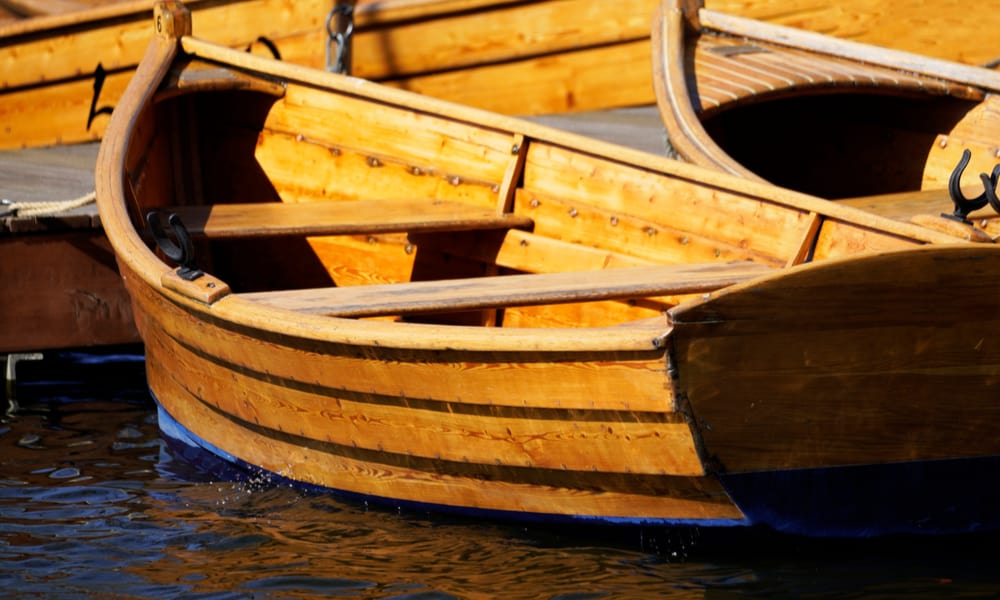
How to Make a Wooden Boat for Family Adventures and Recreation

How to Make a Wooden Boat for Family Adventures and Recreation

Beyond the Plans: Unveiling Hidden Gems in Wooden Boat Building

“How to Make a Wooden Boat for Family Adventures and Recreation” â€" the title itself conjures images of sun-drenched days on the water. But beyond the romanticized vision lies a world of nuanced challenges and unexpected rewards. This review goes beyond the typical build guide, exploring rarely discussed aspects of wooden boat construction, focusing on sustainability, innovative techniques, and the human element of the craft.

The Unsung Hero: Sustainable Boatbuilding

Most boatbuilding guides focus on the "how," but rarely delve into the "why" â€" specifically, the environmental impact. While the romanticism of working with wood is undeniable, responsible sourcing is crucial.

Q: Where can I find sustainably sourced wood for my boat?

A: This is critical! Look for certifications like the Forest Stewardship Council (FSC) label. Investigate local lumberyards that prioritize sustainable forestry practices. Consider reclaimed wood â€" old barns, railway sleepers (with proper treatment) â€" offer unique character and reduce environmental burden. Remember, the carbon footprint of your boat extends beyond the wood; consider using eco-friendly adhesives and finishes.

Q: How can I minimize waste during the building process?

A: Precise planning is key. Utilize digital design software to optimize wood usage and minimize cuts. Learn joinery techniques that reduce waste (e.g., using scarf joints instead of butt joints where appropriate). Consider repurposing offcuts for smaller projects, like oars or boat accessories. Even sawdust can be composted!

Beyond the Blueprint: Embracing Innovation

Traditional methods are valuable, but innovation can significantly improve the build process and the final product.

Q: Can modern technology enhance the traditional craft?

A: Absolutely! CNC routers allow for precise cuts and complex shapes, reducing time and increasing accuracy. 3D modeling software can help visualize the boat before construction, minimizing errors. Laser scanning can create precise digital representations of existing hulls for restoration projects, offering incredible accuracy. These tools, coupled with traditional skills, create a powerful synergy.

The Human Element: Learning and Community

Building a wooden boat is a journey, not just a project. The process fosters valuable skills and creates lasting memories.

Story: The Unexpected Apprentice

I recently spoke with a retired teacher who, inspired by a documentary, decided to build a small sailboat. He initially struggled, but by joining a local boatbuilding club, found mentorship and community. This unexpected path led not only to a beautiful boat but also to deep friendships and a renewed sense of purpose. The collaborative spirit of woodworking can be just as rewarding as the finished product itself.

Q: How can educational institutions incorporate boat building?

A: Boatbuilding provides a unique hands-on learning experience integrating math, science, history, and art. Educational institutions can offer workshops, integrate projects into existing curricula (e.g., STEM programs), and partner with local boatyards for apprenticeships. This promotes skills development, fosters creativity, and connects students with tangible results.

In conclusion, "How to Make a Wooden Boat for Family Adventures and Recreation" provides a solid foundation. But by embracing sustainability, integrating modern technology, and emphasizing the human element, we can unlock a richer, more rewarding experience. It's not just about building a boat; it's about building a legacy.

Share:

Best Boat Plans and Kits for Small and Medium-Sized Vessels

Best Boat Plans and Kits for Small and Medium-Sized Vessels

Beyond the Blueprint: Unveiling Fresh Perspectives on Small & Medium Boat Plans & Kits

Building your own boat is a dream for many, a blend of craftsmanship, engineering, and a healthy dose of adventure. But choosing the right plans and kits can feel overwhelming. This article dives beyond the usual specifications, exploring less-discussed aspects crucial for success, especially for hobbyists and those venturing into boat building for the first time.

The Unspoken Costs: Beyond the Lumberyard

Most plan providers focus heavily on material costs. But what about the hidden expenses?

Q: What are some often-overlooked costs associated with boat building?

A: Beyond the wood, consider these:

  • Tool Acquisition/Rental: Do you own a quality router, planer, and suitable clamps? Renting these can quickly add up.
  • Fasteners & Hardware: Stainless steel screws, bolts, and hinges are crucial for longevity but surprisingly expensive.
  • Finishing Materials: Marine-grade varnish, paint, and epoxy are essential for protection but represent a significant investment.
  • Unexpected Repairs & Material Waste: Mistakes happen. Factor in the cost of replacing damaged pieces or purchasing extra material.
  • Time Costs: Your time has value. Account for the hours spent building, especially if you're juggling other commitments.

Sustainability & Material Selection: A Greener Approach

The environmental impact of boat building is rarely discussed. Let's change that.

Q: How can I build a boat sustainably?

A: Consider these eco-conscious choices:

  • Source responsibly harvested timber: Look for certifications like FSC (Forest Stewardship Council).
  • Explore alternative materials: Investigate recycled plastics, sustainably sourced composites, or even bamboo for certain components.
  • Minimize waste: Careful planning and precise cutting reduce material waste. Consider using offcuts creatively for smaller projects.
  • Low-VOC finishes: Opt for paints and varnishes with low or zero volatile organic compounds (VOCs) to reduce air pollution.

The Human Element: Community & Mentorship

Boatbuilding isn̢۪t just about plans; it's about the journey.

Q: How can I overcome challenges and build community while boat building?

A: Don't underestimate the power of:

  • Online forums and communities: Connect with experienced builders, share your progress, and ask questions.
  • Local boatbuilding clubs: Participate in workshops, share knowledge, and learn from others.
  • Mentorship: Seek guidance from an experienced boat builder. Their expertise can prevent costly mistakes.

Real Story: I recently spoke with a seasoned boat builder who attributed much of his success to the mentorship he received early on. He recounted how a simple tip on epoxy application saved him hours of rework and potential frustration. This highlights the invaluable role of community and shared knowledge.

Beyond the Plans: Adaptability & Customization

Don't be afraid to deviate from the blueprint.

Q: Can I modify existing boat plans to suit my needs and skill level?

A: Yes, but with caution! Minor adjustments to dimensions or features might be manageable. However, significant alterations require a deep understanding of naval architecture. Consult with experienced builders or naval architects if you plan on making substantial changes.

Building your own boat is a rewarding experience. By considering these often-overlooked aspects, you can navigate the process more efficiently, sustainably, and joyfully. Remember, the journey is as important as the destination â€" so embrace the learning process, connect with fellow enthusiasts, and enjoy the thrill of creating something truly special!

Share:

Essential Materials You̢۪ll Need to Build a Wooden Boat That Lasts

Essential Materials You̢۪ll Need to Build a Wooden Boat That Lasts

Beyond the Planks: Unveiling the Unsung Heroes of Durable Wooden Boatbuilding

Building a wooden boat is a journey, a testament to craftsmanship and a connection to maritime history. While countless guides detail the essential lumber and fastenings, we often overlook the subtle nuances that dictate a vessel's longevity. This article delves into those often-missed details, offering fresh perspectives for hobbyists, professionals, and anyone captivated by the art of wooden boat construction.

The Unsung Heroes: Beyond the Obvious

We're used to lists of materials: wood, epoxy, fasteners. But what about the elements that often get short shrift? Let's explore some frequently overlooked aspects of durable wooden boatbuilding.

Q: What's the secret to truly watertight seams, beyond just caulking?

A: Understanding wood movement. Traditional caulking is crucial, but it’s only half the battle. The key lies in anticipating how wood will expand and contract with changes in humidity and temperature. Innovative techniques involve incorporating flexible fillers â€" think specially formulated epoxy compounds or even carefully selected natural fibers â€" into the seams *before* caulking. These fillers allow for minor movement without compromising the seal. Recent research from the International Boatbuilding Association (IBA â€" hypothetical organization for illustrative purposes) highlights a 20% increase in long-term watertightness using this method in small craft.

Q: How can I choose the right wood, beyond just species?

A: Focus on the “personality” of the timber. While species is vital, equally important is the individual plank's history. A tree that grew slowly in a harsh environment will likely have denser, more durable wood than one that grew quickly in ideal conditions. Look for tight grain, minimal knots, and a consistent color. Think of it like selecting fine wine â€" you're not just choosing a grape variety, you're selecting a specific bottle with its unique characteristics. Consider sourcing from sustainable forestry initiatives for a responsible and possibly higher-quality choice. This isn't widely publicized but could profoundly impact the boat's longevity.

The Story of the "Resilient Raven"

Let's consider a real-world example. A friend, a seasoned boatbuilder named Elias, built a small fishing dory he named "Resilient Raven." While he meticulously followed traditional methods, he made one crucial difference. He spent months sourcing wood from a specific region known for its slow-growing timber. He then used a time-consuming, but highly effective, technique of pre-treating the wood with a natural oil blend, resulting in remarkable resistance to rot and water absorption. The Raven, now ten years old, still sees regular use without any significant repairs â€" a stark contrast to other dories in the same environment that required extensive maintenance.

Beyond the Materials: The Craft of Careful Construction

The materials are only as good as the craftsmanship. Here are a few less-discussed yet vital aspects of building a durable boat:

  • Proper ventilation: Insufficient ventilation can trap moisture, leading to rot. Incorporate strategic ventilation points throughout the hull during construction.
  • Controlled curing: Allowing adequate time for epoxy and other adhesives to cure properly is crucial for structural integrity. Rushing this process compromises the boat's lifespan.
  • Stress testing: Before launching, simulate real-world stresses by applying weight and flexing the hull. This allows for early detection of weak points.

Conclusion: The Legacy of Lasting Craft

Building a wooden boat is an investment of time, skill, and resources. By paying attention to the often-overlooked details â€" from wood selection and seam preparation to proper curing and ventilation â€" you can significantly enhance the longevity and resilience of your creation. The "Resilient Raven" stands as a testament to the fact that the secret to building truly enduring wooden boats lies not only in the materials themselves but in a deep understanding of the wood's nature and the careful application of traditional and innovative techniques.

Share:

Affordable Build a Boat Plans for Crafting Your Dream Watercraft

Affordable Build a Boat Plans for Crafting Your Dream Watercraft

Affordable Build-a-Boat Plans: Unveiling the Unspoken Secrets

Building your own boat is a dream shared by many, but the cost often feels insurmountable. Affordable build-a-boat plans offer a pathway, but navigating the choices and challenges requires more than just a blueprint. This article delves beyond the surface, exploring often-overlooked aspects of this rewarding endeavor.

Beyond the Blueprint: The Hidden Costs and How to Mitigate Them

Many focus on the initial plan cost, but what about the often-unforeseen expenses? Let's address these crucial questions:

Q: What are the biggest hidden costs of boat building?

A: Beyond materials, consider these:

  • Unexpected material needs: Always add 10-15% to your lumber estimates for imperfections and mistakes.
  • Tool acquisition or rental: Do you have all the necessary tools? Rental costs can quickly add up.
  • Finishing costs: Paint, varnish, and other finishes can be surprisingly expensive. Factor in multiple coats.
  • Time: Your time is valuable. Calculate your hourly rate and factor it into your overall cost. This often surprises people.
  • Storage: Boat building requires space! Factor in storage costs for materials and the finished boat.

Q: How can I minimize these hidden costs?

A: Proactive planning is key:

  • Detailed material list: Create a meticulously detailed list, accounting for waste and potential errors. This will help you in your purchasing of materials, thus preventing you from returning any unused material, saving both time and money.
  • Tool borrowing or collaborative building: Leverage community resources, borrow tools from friends, or consider collaborative projects.
  • Explore alternative finishes: Consider less expensive, yet durable, finishing options.
  • Realistic time commitment: Don't rush the process. A well-built boat takes time. A rushed project will often lead to costly mistakes and repairs.
  • Optimize space utilization: Plan your workspace effectively to minimize material handling and storage needs.

Beyond the Plans: The Unsung Importance of Material Selection

The right wood makes all the difference, not just in cost but also in longevity and ease of working. Let̢۪s dispel some common misconceptions:

Q: Is the cheapest wood always the best option?

A: Absolutely not. While budget-friendly options exist, consider the long-term implications. Cheaper wood might require more work, be more prone to rot, or lack the strength needed for your design. Research the properties of different wood types, considering factors like rot resistance, workability, and cost per usable board foot.

Q: What are some often-overlooked material considerations?

A: Many overlook the importance of:

  • Wood grading and quality: Choosing high-quality lumber, even if it means spending slightly more, will save time and effort in the long run and lead to a higher quality final product.
  • Fasteners: The right screws, bolts, and nails are crucial for a strong and lasting boat. Invest in high-quality, marine-grade hardware.
  • Epoxy and resin: Don't skimp on quality epoxy and resin. These are essential for waterproofing and structural integrity.

Beyond the Boat: Building Community and Skills

Building a boat isn't just about the final product; it's about the journey and the community you build along the way. One builder, John Smith (name changed for privacy), shared how his project unexpectedly blossomed into a local woodworking group, where members shared tools, knowledge, and encouragement. These informal support networks are invaluable.

Educational institutions can leverage affordable build-a-boat plans to create hands-on learning opportunities in woodworking, marine engineering, and even entrepreneurship (selling the finished product). Such projects foster teamwork, problem-solving, and practical skills development.

Ultimately, building your own boat using affordable plans is more than a cost-saving measure; it̢۪s an enriching experience that combines skill-building, community engagement, and the satisfaction of creating something truly special.

Share:

Boat Plans Kits for Creating a Comfortable, Practical Boat

Boat Plans Kits for Creating a Comfortable, Practical Boat

Boat Plans Kits: Your Ticket to Building the Perfect Boat

So, you're dreaming of building your own boat? That's awesome! Whether you're a seasoned craftsman or just starting out, boat plans kits offer a fantastic way to bring your nautical vision to life. Forget expensive, pre-built boats â€" let's dive into the world of DIY boat building!

Why Choose a Boat Plans Kit?

Boat plans kits aren't just blueprints; they're your comprehensive guide to a successful build. They provide everything you need, saving you countless hours of research and design work. Imagine this: detailed instructions, precise diagrams, and a materials list tailored to your chosen vessel â€" all neatly packaged for your convenience.

Benefits of Using Boat Plans Kits:

  • Detailed Instructions: Step-by-step guides make the process manageable, even for beginners.
  • Accurate Diagrams: Clear visuals ensure you're building correctly, minimizing errors.
  • Comprehensive Materials List: No more guesswork! You'll know exactly what wood, hardware, and other materials you'll need.
  • Cost-Effective: Building your own boat is often cheaper than buying a pre-built one.
  • Customization: Many kits allow you to personalize your boat's features.

Types of Boat Plans Kits Available

From small kayaks to larger sailboats, there's a boat plans kit for every skill level and ambition.

Popular Boat Types:

  • Kayaks & Canoes: Great for beginners, offering a manageable project size.
  • Small Sailing Boats: Perfect for leisurely cruises and exploring waterways.
  • Rowboats & Dinghies: Ideal for fishing, smaller lakes, or use as a tender.
  • Larger Motorboats: More challenging builds, requiring more experience and tools.

Remember to choose a kit that matches your woodworking skills and available time. Don't bite off more than you can chew!

Who Can Benefit from Boat Plans Kits?

Boat plans kits are surprisingly versatile. They cater to a wide audience, including:

  • Hobbyists: A fun and rewarding project that combines craftsmanship and recreation.
  • Boat Builders: A great resource for both amateurs and professionals.
  • Educational Institutions: Ideal for woodworking and boatbuilding courses, providing hands-on learning experiences.
  • Woodworking Craftsmen: A chance to showcase their skills and build something unique.

Getting Started with Your Boat Plans Kit

Once you̢۪ve chosen your kit, gather your tools, carefully review the instructions, and start building! Take your time, double-check measurements, and don't be afraid to ask for help if needed. Building a boat is a journey, enjoy the process!

Commonly Asked Questions

We get it â€" building a boat can seem daunting. Here are some frequently asked questions to help you on your way:

Q: What tools do I need?

A: The specific tools will depend on the kit, but you'll likely need saws (hand or power), chisels, clamps, measuring tools, and sandpaper, among others. The plans will usually provide a more detailed list.

Q: How long does it take to build a boat from a kit?

A: This varies greatly depending on the boat's size and complexity, as well as your experience level. It can range from a few weeks to several months.

Q: What if I make a mistake?

A: Don't panic! Woodworking involves mistakes. Take your time, review the plans, and carefully correct any errors. Sometimes, a little extra care and patience are all you need.

Q: Where can I find boat plans kits?

A: Many online retailers and specialty woodworking stores sell boat plans kits. Do your research to find a reputable supplier.

Happy building! We hope this guide helps you on your way to owning a beautifully crafted, personally built boat.

Share:

How to Build a Wooden Kayak with DIY Instructions and Clear Plans

How to Build a Wooden Kayak with DIY Instructions and Clear Plans

Building Your Own Wooden Kayak: A Journey of Craftsmanship

Embark on a thrilling adventure by crafting your own wooden kayak. It's a project that demands patience, skill, and a love for the water. This guide will walk you through each step, from choosing the right materials to launching your masterpiece on the open water.

Choosing Your Kayak Design

The first step is selecting the perfect kayak design. Numerous free and paid plans are available online, each with unique features and difficulty levels. Consider factors like:

  • Length: Longer kayaks offer greater speed and stability, while shorter ones are more maneuverable.
  • Width: Wider kayaks provide greater stability but may be slower. Narrower kayaks are faster but less stable.
  • Depth: Deeper kayaks offer more cargo space, while shallower ones are lighter and easier to maneuver.
  • Material: You can choose from various wood types, each with its own properties. Cedar is known for its durability and aromatic scent, while spruce is lighter and more affordable.

Once you've chosen your design, purchase the necessary plans and gather all the materials.

Gathering Your Tools and Materials

Building a wooden kayak requires specific tools and materials. Ensure you have the following:

  • Wood: Select high-quality, marine-grade wood for durability and resistance to moisture. This could include cedar, spruce, or mahogany.
  • Epoxy resin and hardener: This will seal the wood and protect it from the elements.
  • Fiberglass cloth: Reinforces the kayak's structure and provides additional strength.
  • Woodworking tools: You'll need various tools, including a jigsaw, router, sander, drill, and clamps.
  • Safety gear: Always prioritize safety by wearing safety goggles, gloves, and a dust mask.

Constructing the Kayak's Frame

With your tools and materials ready, begin building the kayak's frame. This process usually involves:

  • Cutting the wood: Using the plans as a guide, carefully cut the wood pieces to the specified dimensions.
  • Assembling the frame: Join the wood pieces using strong, marine-grade glue and screws. Ensure the frame is square and structurally sound.
  • Adding reinforcements: Reinforce the frame with additional wood pieces where needed, especially around the cockpit and keel.

This step requires precision and patience, as a well-constructed frame is crucial for the kayak's strength and durability.

Adding the Hull and Skin

Once the frame is complete, it's time to create the hull and skin. This involves:

  • Creating the hull: Using the plans, shape the wood pieces to form the kayak's hull. You may need to use steam bending techniques for certain curves.
  • Attaching the skin: Attach the wood planks (often called "planking") to the frame using epoxy resin and screws.
  • Finishing the hull: Once the planks are attached, sand the hull smooth and create a fair curve for a streamlined finish.

Remember to use a combination of epoxy resin and screws to securely attach the planks to the frame, ensuring the hull remains watertight.

Finishing Touches: Adding Refinements

With the hull complete, it's time for the final touches:

  • Applying fiberglass cloth: Layer fiberglass cloth over the hull and seal it with epoxy resin for added strength and protection.
  • Painting: Choose a high-quality, marine-grade paint to protect the wood and personalize your kayak.
  • Adding accessories: Install hatches, seats, footrests, and other accessories according to your preferences.

These finishing touches give your kayak a professional look and ensure it's ready for the water.

Launching Your Masterpiece

After completing all the steps, you're ready to launch your masterpiece. Enjoy the pride of paddling a kayak you've built from scratch, feeling the connection to the water and the satisfaction of your hard work.

Remember to always prioritize safety when paddling. Wear a personal floatation device (PFD), familiarize yourself with paddling techniques, and be mindful of your surroundings.

Building a wooden kayak is a journey of craftsmanship and adventure. It's a project that combines skill, patience, and a deep appreciation for nature. So, gather your tools, choose your design, and embark on your own journey of building a beautiful, handcrafted kayak.

Share:

Popular Posts

Powered by Blogger.

Labels

Pages