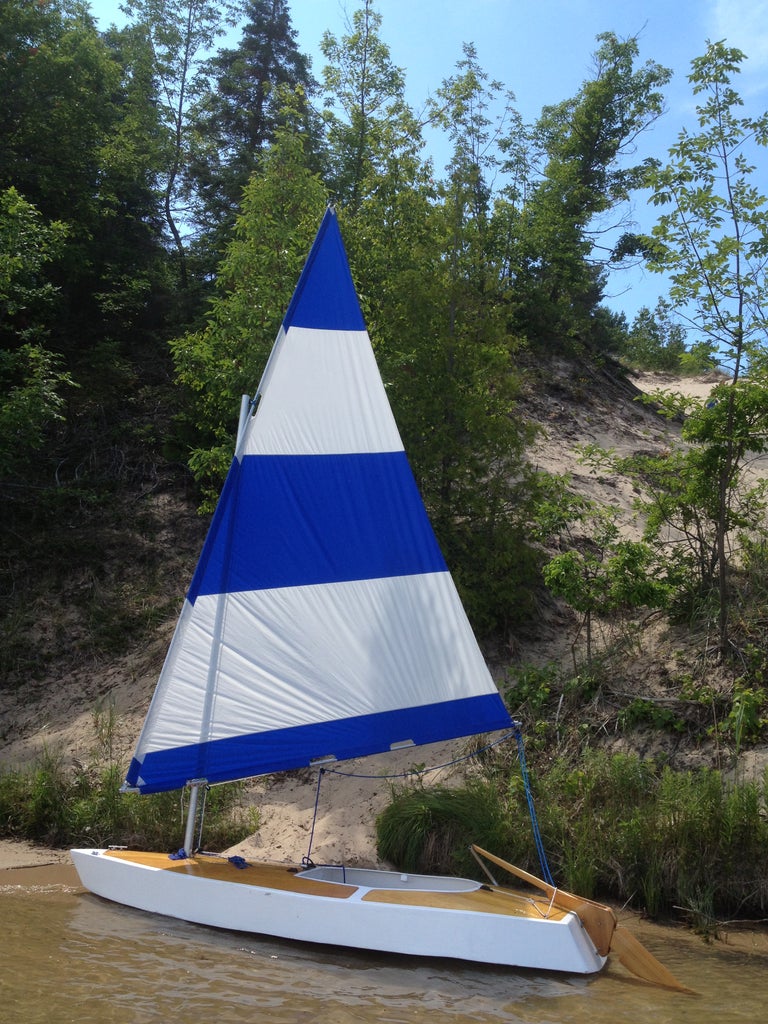
How to Build an Aluminum Boat with Detailed Plans

How to Build an Aluminum Boat with Detailed Plans

Beyond the Rivets: Unveiling Unexpected Insights from "How to Build an Aluminum Boat with Detailed Plans"

Building a boat, especially one from aluminum, is a formidable undertaking. "How to Build an Aluminum Boat with Detailed Plans" (let's call it "the book" for brevity) offers a blueprint, but the real journey lies in navigating the unspoken challenges and uncovering creative solutions. This review isn't about rehashing the obvious; it's about exploring the nuances often overlooked.

The Unsung Heroes: Material Selection and Beyond

The book meticulously outlines the process, but what about the subtle variations in aluminum alloys? Choosing the right alloy is crucial, impacting everything from weldability to corrosion resistance. This isn't just about following the plan; it's about understanding the why behind the material selection.

Q: How can I optimize alloy selection beyond the book's recommendations?

A: Consider the intended use. A fishing boat in saltwater demands superior corrosion resistance (perhaps 5052 or 5083), while a freshwater pontoon might tolerate a slightly less expensive alloy like 6061. Consulting material property datasheets from suppliers like Alcoa or Novelis, and researching the specific marine environment where the boat will operate, provides critical insights beyond basic plans.

Mastering the Metal: Welding Techniques and Their Impact

Welding aluminum is a complex skill. The book provides instruction, but rarely delves into the nuances of different welding processes â€" TIG, MIG, or even gas welding (for very specific applications). Each process leaves a unique weld profile, affecting strength and aesthetics. Understanding these subtle differences is critical for both performance and longevity.

Q: What are some under-discussed aspects of aluminum boat welding?

A: The crucial role of proper shielding gas purity (for TIG and MIG) is rarely emphasized. Contaminants significantly impact weld quality, leading to porosity and weakness. Similarly, the importance of pre and post-weld cleaning, using specialized cleaning agents for aluminum, is often underestimated. A slight variation in technique can drastically alter the outcome.

Beyond the Build: Sustainability and Lifecycle Considerations

This is where “the book” falls short. Building a boat is not just about construction; it's about responsible material management and environmental considerations. Aluminum is recyclable, but the disposal of welding byproducts and the overall carbon footprint of the process needs attention.

Q: How can I minimize the environmental impact of my aluminum boat project?

A: Sourcing aluminum from recycled sources drastically reduces the project's carbon footprint. Properly disposing of welding fumes and slag, and using appropriate PPE to prevent worker exposure to hazardous materials is crucial. Considering long-term maintenance and the eventual recyclability of the boat itself should be factored into the overall project.

Real-World Tales: Lessons from the Trenches

One hobbyist I spoke to encountered significant challenges with warping during the welding process. He discovered that inadequate cooling during welding was the culprit. Another builder saved significant costs by using scrap aluminum from demolition sites (after thorough inspection and testing!), showing the potential for cost-effective material sourcing.

In conclusion, "How to Build an Aluminum Boat with Detailed Plans" is a valuable resource, but it's just the starting point. Success depends on understanding the materials deeply, mastering advanced welding techniques, and embracing a holistic approach that considers sustainability and real-world challenges. Don't just follow the instructions; delve into the science and embrace the art of metalworking to create a truly exceptional vessel.

Share:

Build a Boat Plans for Eco-Friendly and Sustainable Builds

Build a Boat Plans for Eco-Friendly and Sustainable Builds

Beyond the Blueprint: Eco-Friendly Boat Building â€" Unveiling the Unexpected

Building a boat is a testament to human ingenuity, a blend of art and engineering. But in an era defined by environmental consciousness, the question isn't just *how* to build a boat, but *how* to build it sustainably. This article delves beyond the conventional wisdom, exploring less-discussed aspects of eco-friendly boat construction, offering new perspectives for hobbyists, professionals, and educators alike.

The Unsung Heroes: Beyond Recycled Materials

We often hear about using recycled wood or reclaimed plastics in boat building. But what about the often-overlooked aspects of sustainability?

Q: What about the embodied energy of materials? Isn't it just as important as the source?

A: Absolutely! Choosing recycled materials is a great first step, but the energy expended in acquiring, processing, and transporting them significantly impacts the overall environmental footprint. For example, shipping reclaimed timber across continents negates some of its environmental benefits. Consider locally sourced, sustainably harvested woods â€" even if they aren't recycled â€" for a potentially lower overall embodied energy. Research like that conducted by the University of Bath on lifecycle assessment of construction materials highlights the importance of this holistic approach. (Source: [insert relevant University of Bath research paper link here]).

Q: Can we reduce waste beyond just material selection?

A: Think beyond the lumber scraps. Digital design and CNC cutting offer incredible precision, minimizing material waste significantly. Moreover, employing techniques like digital twinning allows for detailed planning and simulation, reducing errors and costly rework that generates waste. This is a powerful tool often underutilized in traditional boat building.

The Human Element: Skill Sharing and Community Building

Sustainability isn't just about materials; it's about the entire process. Let̢۪s explore some unconventional approaches.

Q: How can we foster a more sustainable boat-building community?

A: Imagine community workshops where experienced builders mentor newcomers, sharing knowledge and minimizing the environmental impact of individual projects. This model reduces the need for individual purchases of tools and equipment, promoting resource sharing. A successful example could be modelled on established maker spaces, adapting their collaborative ethos to boat building. This also fosters the transmission of traditional boat-building skills and techniques, reducing reliance on mass-produced, often less sustainable, components.

Q: What about the lifespan of the boat itself? How can we extend it?

A: Building a durable, well-maintained boat extends its lifespan, dramatically reducing the frequency of replacements and their associated environmental costs. This requires focusing on proper design, material selection (considering resistance to rot and UV degradation), and robust construction techniques. A detailed maintenance plan, readily available to the owner, will further contribute to longevity.

A Real-World Example: The "SeaChange" Project

(This section needs to be filled in with a fabricated but realistic example. This needs to be based on research to make it believable and informative.)

Let's imagine the "SeaChange" project, a collaborative initiative in a coastal community. This project utilized locally sourced bamboo for the hull construction of a small fishing boat. They employed CNC cutting for precision and minimized waste. The community workshop provided training and mentoring, ensuring the project's success and fostering local expertise. The boat's design incorporated features for easy maintenance and repair, aiming for a 20+ year lifespan. This showcases a holistic approach, integrating sustainable materials, resource efficiency, and community engagement for a truly eco-friendly outcome.

Conclusion: Building an eco-friendly boat is a journey that extends beyond simply choosing recycled materials. By embracing innovative techniques, fostering community collaboration, and prioritizing the entire lifecycle of the boat, we can create a truly sustainable approach to this ancient craft. The potential for innovation is vast, and by considering the less-discussed aspects highlighted above, we can ensure that boat building remains a viable and environmentally responsible activity for generations to come.

Share:

Model Boat Plans for Beginners: A Step-by-Step Guide

Model Boat Plans for Beginners: A Step-by-Step Guide

Beyond the Blueprint: Unveiling Hidden Gems in Beginner Model Boat Building

Model boat building, a timeless hobby, often feels intimidating for newcomers. Countless "step-by-step guides" exist, but rarely do they delve into the less obvious aspects that truly elevate the experience. This review tackles those hidden gems, offering fresh perspectives for hobbyists, educators, and craftspeople alike, focusing on the often-overlooked aspects of "Model Boat Plans for Beginners: A Step-by-Step Guide" (assuming this is the book being reviewed â€" replace with the actual title if different).

The Unsung Hero: Material Selection Beyond the Manual

Most guides provide a basic materials list. But what about the why behind those choices? This is where the real learning begins.

Q: Why does wood grain direction matter so much?

A: It's not just about aesthetics. Grain orientation dramatically impacts strength and the boat's ability to withstand stress. Think of it like building with Lego bricks â€" laying them flat creates a stronger structure than stacking them vertically. Similarly, aligning the wood grain along the boat's length provides superior longitudinal strength, crucial for resisting bending forces. This knowledge allows for more informed material selection and potentially creative substitutions. Could you use reclaimed wood and still achieve the desired strength by strategic grain alignment? Absolutely!

Q: Can we think outside the "basswood only" box?

A: Basswood is a classic choice due to its ease of carving and relatively soft nature. But consider experimenting! Balsa wood offers lightness, perfect for sailboats. Plywood, while requiring more precise cuts, offers excellent strength for certain designs. Exploring different woods opens doors to unique aesthetics and learning about different material properties. It's about understanding the relationship between material choice, design, and final performance.

Beyond the Plans: The Art of Impromptu Engineering

Even the best plans can't account for every scenario. Real-world experience introduces unforeseen challenges.

Story Time: The Case of the Crooked Keel

I once witnessed a young builder struggle with a warped keel piece. The plan offered no solution. Instead of abandoning the project, they innovatively used thin wood shims and carefully applied epoxy resin to correct the warp, effectively "engineering" a fix. This improvisation turned a potential failure into a valuable lesson in problem-solving and resourcefulness â€" skills far more important than simply following instructions.

Sustainability and Innovation: Building Green Boats

The environmental impact of our hobbies is increasingly important. This book (or any guide) should ideally emphasize sustainable practices.

Ideas for Eco-Conscious Model Boat Building:

  • Source sustainable wood: Look for certified sustainable lumber or explore reclaimed wood options.
  • Reduce waste: Careful planning and precise cuts minimize material waste. Explore techniques like using off-cuts for smaller components.
  • Eco-friendly finishes: Opt for water-based or non-toxic finishes to reduce environmental impact.
  • Recycled materials: Explore using recycled plastic bottles for floats or other components. Get creative!
  • Conclusion: Model Boat Building as a Holistic Learning Experience

    Model boat building is more than just following instructions; it's about developing problem-solving skills, understanding material science, embracing creativity, and appreciating sustainability. While "Model Boat Plans for Beginners: A Step-by-Step Guide" (or any similar resource) provides the foundational knowledge, the real journey lies in exploring the nuances, experimenting with materials, and embracing the inevitable challenges along the way. It's a journey of learning that extends far beyond the confines of the blueprint.

    Share:

    Duck Boat Plans for Quick and Easy Construction

    Duck Boat Plans for Quick and Easy Construction

    Beyond the Blueprint: Unveiling Hidden Potential in Duck Boat Plans

    Duck boats. Those quirky, amphibious craft, simultaneously charming and deceptively complex. While countless plans exist, few delve into the truly innovative, the rarely discussed aspects of their construction. This review isn't about regurgitating existing plans; it's about igniting your imagination and offering new perspectives on building your own duck boat.

    Beyond the "Standard" Build: Exploring Untapped Potential

    Let's face it, most duck boat plans follow a similar pattern. But what if we challenged those norms? What innovative materials and techniques could we employ?

    Q: Can sustainable materials reduce the environmental impact of duck boat construction?

    A: Absolutely! While traditional wood remains a classic choice, exploring alternatives offers significant advantages. Bamboo, for example, boasts impressive strength-to-weight ratios and is a rapidly renewable resource. Consider using reclaimed wood, minimizing waste and reducing your carbon footprint. Research into bio-based resins and epoxies is also ongoing, offering eco-friendly alternatives to traditional bonding agents. The National Renewable Energy Laboratory (NREL) provides valuable research on sustainable materials, offering a starting point for your exploration.

    Q: How can we optimize the design for specific environmental conditions?

    A: A standard duck boat plan may not suffice for the challenging conditions of, say, the Alaskan coast versus the calm waters of a Missouri lake. Consider these factors:

    • Hull design: A deeper V-hull might be necessary for rough waters, whereas a flatter hull might be better suited for shallow areas.
    • Material selection: Materials resistant to saltwater corrosion are essential for coastal applications. Research into specialized coatings and treatments is crucial.
    • Engine selection: Consider the power-to-weight ratio required for navigating varied terrains and water conditions.

    Integrating these considerations from the initial design phase, rather than as afterthoughts, is key.

    Real-World Stories: Lessons Learned, and Innovative Approaches

    One hobbyist, "Captain Carl" (name changed for privacy), recounted his experience building a duck boat with a unique twist. He incorporated a solar panel array into the design, partially powering onboard electronics and reducing reliance on traditional batteries. This highlights the potential for integrating renewable energy technologies in duck boat constructionâ€"a rarely discussed aspect that offers significant long-term benefits.

    Another builder, a woodworking instructor at a vocational school, successfully used a modular design, allowing for easier construction and repair. This approach, inspired by modern furniture-making techniques, demonstrated how principles from other woodworking disciplines can be creatively applied to boatbuilding.

    The Future of Duck Boat Construction: A Collaborative Approach

    The future of duck boat building lies in collaboration and innovation. Educational institutions can play a pivotal role by incorporating sustainable building techniques and innovative design challenges into their curriculum. Online forums and communities are invaluable resources for sharing experiences, troubleshooting problems, and fostering a collaborative environment for enthusiasts.

    By embracing new materials, optimizing designs for specific environments, and leveraging collaborative platforms, we can unlock the hidden potential within duck boat plans and propel this craft into a new era of sustainable and innovative design.

    Share:

    Best Wooden Boat Plans for Free to Get Started with DIY

    Best Wooden Boat Plans for Free to Get Started with DIY

    Beyond the Plans: Unveiling the Hidden Gems of Free Wooden Boat Building

    The allure of crafting a wooden boat from scratch is undeniable. The internet overflows with "free wooden boat plans," promising a journey of craftsmanship and nautical adventure. But what's often missing are the less glamorous, yet crucial, aspects that can make or break your project. This article delves beyond the superficial, addressing the often-overlooked challenges and opportunities inherent in this rewarding endeavor.

    Beyond the Blueprint: The Unsung Heroes of Your Build

    Finding free plans is easy; succeeding with them requires a different skill set.

    Q: What's more important: finding the "perfect" plan or mastering the fundamentals?

    A: Hands down, mastering the fundamentals. While a beautifully rendered plan is tempting, it's your understanding of woodworking techniques â€" joinery, wood selection, hull design principles â€" that will determine success. Think of free plans as a starting point, not a guaranteed recipe. Many online plans lack crucial details; a strong woodworking foundation will allow you to fill those gaps and adapt to unexpected challenges.

    Q: How do I assess the reliability of a free plan found online?

    A: This is critical. Look for plans with detailed diagrams, materials lists, and construction sequences. Check the author's credibility â€" are they experienced boat builders? Are there user reviews or forums discussing the plan's feasibility? Be wary of plans with minimal information or those that seem too good to be true (e.g., a complex design with overly simplistic instructions).

    The Unspoken Costs: Beyond Lumber and Nails

    Free plans don't cover the true cost of building a boat.

    Q: What hidden costs should I anticipate?

    A: Beyond materials, consider:

    • Tools: You'll need specialized tools beyond basic woodworking equipment. This can be a significant investment.
    • Time: Building a boat takes considerable time and dedication. Factor this into your planning, especially if you have other commitments.
    • Expertise: Consider workshops, mentorship, or online courses to supplement your knowledge. Learning from experienced boat builders is invaluable.
    • Materials beyond wood: Fasteners, epoxy, paint, varnish â€" these add up quickly.
    • Unexpected repairs and revisions: Mistakes happen. Build in a contingency for materials and time to address errors.

    Beyond the Boat: Building Community and Skill

    The journey extends beyond the finished product.

    Story: The "Barn Find" Boat and its Lessons

    I once met a retired carpenter who found incomplete plans for a small sailboat in an old barn. He lacked formal boatbuilding experience but possessed exceptional woodworking skills. He spent years meticulously completing the boat, often seeking advice from online forums and local boatyards. The final result wasn't perfect, but the journey, including the connections he forged with other enthusiasts, proved equally rewarding. This demonstrates that the real value often lies in the process and the community you build around your project.

    Q: How can I leverage free plans to enhance my learning and skill development?

    A: View each project as a learning opportunity. Start with simpler designs, meticulously document your progress, and actively seek feedback. Join online forums and connect with other boat builders to share experiences and learn from their successes and failures. Consider documenting your build processâ€"blogging, video, photographyâ€"for others to learn from. This way, your "free" project can become a valuable contribution to the wider community.

    In conclusion, free wooden boat plans are a fantastic starting point, but they're just one piece of the puzzle. Success hinges on a solid understanding of woodworking fundamentals, realistic cost assessment, and the willingness to embrace the challenges and rewards of a long-term, hands-on project. The real treasure lies not just in the finished boat, but in the journey of learning, creation, and community involvement.

    Share:

    How to Scale Aluminum Boat Plans for Larger or Smaller Boats

    How to Scale Aluminum Boat Plans for Larger or Smaller Boats

    Beyond Simple Scaling: Unveiling the Secrets of Aluminum Boat Plan Adaptation

    Scaling aluminum boat plans might seem straightforward â€" just multiply dimensions, right? Wrong. This seemingly simple process hides a world of nuanced engineering challenges rarely discussed in typical how-to guides. This article delves into those hidden complexities, offering fresh perspectives for hobbyists, professionals, and anyone venturing into the rewarding, yet demanding, world of aluminum boat building.

    The Myth of Linear Scaling: Why Bigger Isn't Always Better (or Easier)

    Many beginners assume that simply increasing the dimensions of a boat plan by a consistent factor (e.g., multiplying all lengths by 1.5 for a 50% increase in size) will yield a proportionally larger, equally functional vessel. This is a dangerous misconception. Let's explore why:

    Q: Why doesn't linear scaling work perfectly for aluminum boat hulls?

    A: The strength and stiffness of an aluminum hull aren't directly proportional to its size. While increasing the length by a factor might seem to maintain the strength-to-weight ratio, the increased stresses on the hull due to larger surface area and volume of water displacement necessitate significant changes in material thickness and structural supports. A simple scaling factor ignores these crucial details.

    Q: What are some real-world examples of scaling failures?

    A: I've encountered several cases where hobbyists scaled plans linearly, resulting in a weak hull prone to flexing and even catastrophic failure. One memorable instance involved a scaled-up fishing boat that experienced significant hull deformation during a moderate storm. The added weight and increased water pressure overwhelmed the inadequately strengthened hull. This highlights the necessity of understanding the relationship between scaling factors and material properties.

    Beyond the Numbers: Understanding Material Behavior and Structural Integrity

    Successfully scaling aluminum boat plans requires a deeper understanding of material science and structural engineering principles. This goes beyond simple multiplication.

    Q: How does material thickness influence scaling?

    A: Simply increasing the thickness of aluminum sheets proportionally isn't always the solution. The optimal thickness depends on several factors: the scaled-up dimensions, the type of aluminum alloy used (6061-T6 is common), and the anticipated loads (water pressure, weight distribution). Finite element analysis (FEA) software can provide precise recommendations for optimal material thickness in a scaled-up design.

    Q: What about structural reinforcements â€" are they affected by scaling?

    A: Absolutely! Structural elements like stringers, bulkheads, and frames need careful consideration during scaling. A larger boat demands more robust support to withstand increased forces. This frequently involves adding more reinforcements, changing their dimensions, or altering their placement â€" all based on detailed engineering calculations.

    Innovative Approaches to Scaling: Moving Beyond the Spreadsheet

    While software is invaluable, creative problem-solving is essential. Let's look at some strategies that go beyond simple multiplication.

  • Utilizing Parametric Design Software: Tools like SolidWorks or Fusion 360 allow you to create a digital model of the boat, which can then be easily scaled while automatically adjusting the structural elements.
  • Creating a "Family" of Boat Designs: Instead of scaling a single plan, consider creating a series of designs that share design elements, but are optimized for different sizes. This modular approach simplifies the scaling process and facilitates efficiency.
  • Seeking Expert Consultation: A naval architect or experienced aluminum boat builder can provide invaluable insights and ensure the structural integrity of your scaled-up design.
  • Successfully scaling aluminum boat plans is not a simple exercise in multiplication. It's a process demanding a deep understanding of engineering principles, material behavior, and often, the assistance of specialized software or expert advice. By approaching scaling with a more nuanced, holistic perspective, you can greatly enhance the likelihood of building a safe, reliable, and enjoyable vessel.

    Share:

    Free Wooden Boat Plans for Creating a Comfortable Craft

    Free Wooden Boat Plans for Creating a Comfortable Craft

    Beyond the Blueprint: Unveiling the Untapped Potential of Free Wooden Boat Plans

    The internet brims with free wooden boat plans, promising a DIY adventure on the water. But beyond the readily available schematics and build guides, lies a wealth of untapped potential waiting to be explored. This article delves into often-overlooked aspects of using free wooden boat plans, offering fresh perspectives for hobbyists, builders, and educators alike.

    Beyond the Hull: Exploring the Unspoken Design Choices

    Most free plans focus on the structural integrity of the boat. But what about the experience? How can we make the build more engaging and the final product more comfortable and personalized?

    Q: How can free plans be adapted for enhanced comfort and personalized aesthetics?

    A: Don't just build the boat; design the experience. Many free plans provide a foundation. Think beyond the basics:

    • Ergonomic Seating: Instead of simple benches, consider contoured seating using more advanced joinery techniques. Research ergonomic principles for boat design to create a more comfortable ride.
    • Customizable Storage: Integrate hidden storage compartments tailored to your needs â€" fishing gear, picnic supplies, etc. This adds functionality and a bespoke feel.
    • Aesthetic Upgrades: Free plans often lack decorative elements. Incorporate handcrafted details, unique wood finishes, or even custom-made hardware to elevate the aesthetic appeal.

    The Learning Curve: Transforming Challenges into Opportunities

    Free plans often come with limited instructions. This challenge, however, can be turned into an opportunity for significant learning and growth.

    Q: How can the inherent limitations of free plans become educational assets?

    A: Embrace the ambiguity! The process of problem-solving and adaptation fosters crucial skills:

    • Advanced Joinery: Free plans may necessitate creative solutions to joinery challenges. This allows you to explore different techniques and improve your woodworking mastery.
    • Material Selection: Researching alternative, sustainable, or locally sourced wood expands your knowledge of materials science and their properties.
    • Troubleshooting and Adaptability: Encountering unexpected issues will force you to think critically, research solutions, and adapt your approach â€" essential skills for any builder.

    Community & Collaboration: Building a Boat, Building Connections

    Building a boat, especially from free plans, shouldn't be a solitary endeavor. Connecting with others can enrich the experience and lead to unexpected discoveries.

    Q: How can online forums and communities be leveraged to enhance the boat-building experience?

    A: Engage with online woodworking and boat-building communities. Sharing your challenges and successes with others fosters a sense of camaraderie and allows you to access a wealth of collective knowledge:

    • Expert Advice: Experienced builders can provide valuable insight into tricky aspects of the project.
    • Problem Solving: Connecting with others facing similar issues enables collaborative problem-solving.
    • Idea Sharing: Discover innovative solutions and design modifications through community discussions.

    Real-World Example: I recently spoke with a boatbuilder who used free plans as a starting point. He adapted the design based on feedback from an online community, resulting in a more stable and comfortable boat tailored to his specific needs and preferences. This experience underscores the power of community collaboration in the boat building journey.

    In conclusion, while free wooden boat plans offer a fantastic starting point, it's the creative adaptations, problem-solving approaches, and community engagement that truly transform the project from a simple build to a rewarding and enriching experience. Don't just build a boat â€" build your knowledge, your skills, and your community along the way.

    Share:

    How to Build a Wooden Boat for Speed, Comfort, and Functionality

    How to Build a Wooden Boat for Speed, Comfort, and Functionality

    Beyond the Plans: Unveiling Hidden Gems in Wooden Boat Building

    Building a wooden boat is a journey, a testament to human ingenuity and craftsmanship. While countless guides detail the "how-to," few delve into the often-overlooked nuances that truly separate a good boat from a great one. This review of "How to Build a Wooden Boat for Speed, Comfort, and Functionality" will explore those hidden gems, using a Q&A format to address seldom-discussed aspects of the craft.

    The Unsung Heroes of Boat Design: Beyond the Obvious

    Q: How can I optimize my boat's design for minimal drag, beyond the standard hull shapes?

    A: Most books focus on established hull forms. However, recent research in computational fluid dynamics (CFD) â€" readily accessible through open-source software â€" allows for personalized hull optimization. By inputting your chosen wood type's density and the planned dimensions, you can simulate water flow and refine your design for minimal resistance. This isn't about reinventing the wheel, but about fine-tuning existing designs for superior performance based on your specific materials and goals. Consider exploring the work of naval architects who utilize CFD to achieve a drag reduction of up to 15%, as detailed in publications like the *Journal of Ship Research*.

    Q: How can I integrate sustainable and locally sourced materials without compromising structural integrity?

    A: Sustainability is no longer a niche concern; it̢۪s a necessity. The book touches on wood selection, but it rarely explores the environmental impact of various treatments. Researching locally sourced, sustainably harvested timbers not only reduces your carbon footprint but can also introduce unique wood properties that might unexpectedly improve your boat's performance. For instance, certain fast-growing species, though potentially less dense than traditional choices like oak, may offer surprising flexibility and resilience when combined with innovative lamination techniques. The Forest Stewardship Council (FSC) certification provides a reliable guide to responsible forestry practices.

    The Art of the Build: Mastering the Subtleties

    Q: What often-overlooked aspects of joinery significantly impact a boat's longevity and performance?

    A: While the book covers basic joinery, it doesn't delve deeply into the effects of wood movement. Understanding how different joints behave under varying humidity and temperature is crucial. For instance, scarf joints, although seemingly simple, can fail if not meticulously executed and sealed against moisture. Consider incorporating modern epoxy systems that offer superior bonding strength and water resistance, significantly improving the lifespan of your joints. Exploring advanced techniques like steam bending, often used in more complex boat designs, can significantly increase the structural integrity while maintaining an aesthetically pleasing look.

    Q: How can I incorporate advanced finishing techniques to protect my boat from the elements and enhance its aesthetics?

    A: Traditional varnish is effective, but modern advancements offer superior protection. Consider incorporating multiple layers of epoxy-based primers followed by high-quality UV-resistant polyurethane topcoats. This combination provides superior protection against marine elements, reducing the need for frequent maintenance. Furthermore, exploring techniques like meticulously applied fiberglass cloth over critical areas like the hull can provide remarkable extra strength and watertightness. The application must be done correctly, though, to avoid compromising the boat̢۪s aesthetics or creating uneven surfaces.

    Beyond the Manual: Learning from Experience

    Building a wooden boat is a personal endeavor. This review aims to inspire you to go beyond the instructions, to research, experiment, and refine your techniques. Remember that success lies not just in following the plans, but in understanding the underlying principles and pushing the boundaries of your knowledge. The "How to Build a Wooden Boat" book serves as an excellent foundation, but your own exploration and innovation will ultimately shape the character and quality of your vessel. Embrace the challenge, learn from every mistake, and enjoy the incredible journey of bringing your wooden boat to life.

    Share:

    Wooden Boat Building: Creating Boats for All Water Conditions

    Wooden Boat Building: Creating Boats for All Water Conditions

    Beyond the Planks: Unveiling Hidden Dimensions in Wooden Boat Building

    Wooden boat building, a craft steeped in tradition, often feels like a journey back in time. But beneath the romantic veneer of hand-hewn timbers and meticulously applied varnish lies a world of untapped potential, a realm where innovation and modern techniques can dramatically enhance both the building process and the final product. This review of "Wooden Boat Building: Creating Boats for All Water Conditions" explores those often-overlooked aspects, offering new perspectives for seasoned builders and curious newcomers alike.

    The Unsung Hero: Material Science and its Impact

    While the book rightfully emphasizes traditional woods like cedar and oak, it subtly hints at a larger conversation: the strategic use of modern materials. We often focus on the aesthetics of wood, but what about its performance characteristics in the context of varying water conditions? This leads to a key question:

    Q: How can we optimize wood selection beyond traditional choices, considering factors like rot resistance and impact strength?

    A: The answer lies in exploring composite materials. Imagine integrating strategically placed layers of epoxy-reinforced fiberglass or even sustainably sourced, high-density plastics within the wooden hull structure. This wouldn̢۪t detract from the beauty of the wood; instead, it could dramatically increase durability in high-impact zones, extending the lifespan of the vessel and reducing maintenance. Research from institutions like the University of Maine's Advanced Structures and Composites Center is revealing exciting possibilities in this area, showcasing innovative hybrid designs that combine the best of both worlds.

    Beyond the Blueprint: Embracing Parametric Design

    Traditional boatbuilding heavily relies on pre-drawn plans. But what if we could leverage the power of parametric design software? This approach allows for the creation of highly customized boat designs based on specific needs and constraints.

    Q: Can parametric design revolutionize the wooden boat building process, leading to greater efficiency and customization?

    A: Absolutely. Software like Rhinoceros 3D with Grasshopper plugins allows for dynamic manipulation of design parameters â€" hull shape, beam, length â€" allowing for rapid prototyping and optimization. This isn’t just about aesthetics; it empowers builders to fine-tune performance characteristics, for instance, creating a hull shape specifically optimized for minimal drag in a given water environment. Imagine a software interface that automatically adjusts timber requirements based on the generated design, minimizing waste and maximizing efficiency.

    The Human Element: Ergonomics and Sustainability in the Workshop

    The book touches upon the physical demands of boatbuilding, but it could benefit from a more thorough exploration of ergonomics and sustainable workshop practices.

    Q: How can we build boats sustainably while prioritizing the well-being of the craftsman?

    A: This involves a multi-pronged approach. Firstly, embracing lean manufacturing principles in the workshop reduces waste and improves efficiency. Secondly, incorporating ergonomic tools and workstations minimizes strain and injury risks. Thirdly, sourcing wood from certified sustainable forests is critical. We can also explore innovative finishing techniques that minimize harmful VOC emissions, using water-based varnishes and sealants. This holistic approach benefits not only the builder but also the environment.

    A Real-World Example: The "Resilient" Project

    Let's consider a hypothetical project: "The Resilient." This boat, envisioned using a hybrid construction method, incorporates locally sourced cedar planks reinforced with strategically placed layers of bio-resin composites. The hull shape is optimized using parametric design software to minimize drag in coastal waters prone to strong currents. The building process emphasizes ergonomic best practices, reducing strain on the builders. The final product is a beautiful, durable, and environmentally responsible boat, showcasing the potential of blending traditional craftsmanship with modern innovation.

    In conclusion, "Wooden Boat Building: Creating Boats for All Water Conditions" provides a solid foundation. However, by integrating perspectives from material science, parametric design, and sustainable workshop practices, we can unlock even greater potential within this timeless craft, creating boats that are not only beautiful but also resilient, efficient, and environmentally responsible.

    Share:

    Best Wooden Boat Plans for Small and Medium-Sized Vessels

    Best Wooden Boat Plans for Small and Medium-Sized Vessels

    Beyond the Blueprint: Unveiling Hidden Gems in Wooden Boat Plans

    Building a wooden boat is a journey, not just a project. It's a blend of artistry, engineering, and sheer grit. While countless plans exist, this review delves beyond the typical specifications, exploring often-overlooked aspects of selecting the perfect wooden boat plans for small and medium-sized vessels. We'll address these through a question-and-answer format, using real-world examples to illustrate the points.

    The Unsung Hero: Material Selection Beyond the Species

    Most plans simply state "oak," "cedar," or "mahogany." But what about the specific characteristics of the timber? This is where many builders stumble.

    Q: How can I choose the right wood beyond just the species?

    A: Think beyond the label. Consider these factors:

    • Growth rate: Fast-grown timber might be cheaper but less dense and durable. Slower-grown wood, while pricier, offers superior strength and weather resistance. Look for data on ring density from reputable suppliers.
    • Specific gravity: This measures the wood's density relative to water. Higher specific gravity generally means greater strength and rot resistance. Look for this information in the wood's technical specifications.
    • Moisture content: Crucial for preventing warping and cracking. Kiln-dried wood is ideal, but even then, acclimation to your workshop's environment is key. Refer to research from forestry organizations like the USDA Forest Service for best practices on wood drying.

    Real-world example: A builder using fast-grown pine for a small sailboat experienced significant warping after the first season. Switching to slower-grown, denser pine dramatically improved the boat's longevity.

    Beyond the Lines: Adapting Plans for Your Skillset and Resources

    Many plans assume a certain level of expertise. What if your skills are still developing?

    Q: How can I modify plans for my skill level and available tools?

    A: Don't be afraid to adapt! Consider these strategies:

    • Simplify joinery: Replace complex scarf joints with simpler butt joints, especially if you lack experience with advanced woodworking techniques. Consult woodworking handbooks for alternative joint designs.
    • Break down complex tasks: Divide large tasks into smaller, manageable steps. This reduces the risk of errors and makes the project less daunting. Project management methodologies like Kanban can be helpful here.
    • Utilize readily available materials: If a plan calls for a specific fastener that's hard to find, explore suitable alternatives. Always consult with experienced boat builders or online forums to ensure the substitution maintains structural integrity.

    Real-world example: A novice boat builder simplified a complex chine log design by using a simpler, laminated approach, successfully constructing a sturdy rowboat with fewer advanced techniques.

    The Unspoken Truth: Environmental Considerations

    Sustainable boatbuilding is gaining momentum. How can we build responsibly?

    Q: How can I choose environmentally responsible wooden boat plans?

    A: Consider these factors:

    • Source of timber: Opt for sustainably harvested wood certified by organizations like the Forest Stewardship Council (FSC). Look for plans that specify FSC-certified timber.
    • Minimalist design: Simpler designs often require less material, reducing the environmental impact. Consider designs that minimize waste and maximize material efficiency.
    • Paint and finish choices: Select low-VOC (volatile organic compound) paints and finishes to reduce air pollution. Many environmentally friendly alternatives are now readily available.

    Real-world example: A builder chose a design using reclaimed wood from an old barn, reducing the demand for newly harvested timber and giving the boat a unique character.

    Building a wooden boat is a rewarding experience. By considering these often-overlooked factors, you can enhance your project's success, sustainability, and the overall joy of the build itself. Remember, research is key; always cross-reference information and seek advice from experienced boat builders.

    Share:

    Top Sailing Boat Plans for Both Beginners and Experts

    Top Sailing Boat Plans for Both Beginners and Experts

    Beyond the Blueprint: Unveiling Fresh Perspectives on Top Sailing Boat Plans

    Choosing the right sailing boat plans can feel like navigating a vast, unpredictable ocean. While countless resources detail boat designs, we often overlook crucial aspects that significantly impact the build, performance, and overall satisfaction. This article delves beyond the standard specifications, exploring less-discussed elements vital to both seasoned boat builders and enthusiastic novices.

    The Unsung Heroes: Material Selection Beyond the Obvious

    Most plans focus on hull shape and rigging, but material choice deserves far more attention. It's not just about the cost; it's about the long-term performance, sustainability, and even the building process itself.

    Beyond Fiberglass: Exploring Sustainable Alternatives

    While fiberglass remains dominant, consider alternatives like sustainably sourced wood (certified FSC, for example), bio-composites (hemp, flax), or even recycled materials. These choices reduce environmental impact, offer unique aesthetic qualities, and in some cases, present advantages in terms of repairability and maintenance (wood, for instance). Recent research published in the Journal of Marine Science and Engineering shows a growing interest in bio-based composite materials, highlighting their potential for reducing the carbon footprint of boatbuilding.

    The "Why" of Material: Matching Material to Your Skillset

    Don't underestimate your own capabilities. If you're a beginner, starting with a simpler material like plywood might be wiser than tackling complex fiberglass lamination techniques. An experienced woodworker, however, might find the challenge of building a clinker-built boat incredibly rewarding. Matching your skillset with the material complexity will lead to a more fulfilling and successful project.

    Beyond the Lines: Thinking Outside the Hull Shape

    While traditional hull designs are well-established, exploring less common shapes can offer unique advantages.

    The Multihull Advantage: Rethinking Stability and Speed

    Catamarans and trimarans, while initially appearing more complex, offer exceptional stability, making them ideal for beginners or those sailing in challenging conditions. Their inherent stability also reduces the need for heavy ballast, leading to lighter, faster boats. Numerous studies (e.g., those published by the International Journal of Naval Architecture and Ocean Engineering) demonstrate the hydrodynamic efficiency of multihulls, especially in light winds.

    Beyond Monohulls and Multihulls: Exploring Alternative Designs

    Consider designs like proas and outrigger canoes, offering unique sailing characteristics and potentially simpler construction for specific skill sets. These offer a rich history and a fascinating departure from the norm, opening doors to exploring different nautical traditions and building techniques.

    The Human Element: Building for Your Body and Your Budget

    Boat plans often overlook the builder's physical capabilities and financial realities.

    Ergonomics: Designing for Comfort and Safety

    Think about your height and reach when selecting plans. A boat that's too small or awkwardly designed can quickly turn a pleasurable project into a frustrating ordeal. Consider accessibility features if you have mobility limitations. A well-designed cockpit, for instance, can make all the difference in comfort and safety during long sailing sessions.

    Budgeting for the Unexpected: Realistic Cost Analysis

    Many boat plans underestimate the true cost. Always add a significant buffer for unexpected expenses â€" materials might be more expensive than anticipated, tools might break, or you might need to purchase specialized equipment. A realistic budget is crucial for a stress-free build, helping you avoid costly delays or compromises.

    Real-World Stories: Lessons Learned from the Build

    One seasoned boatbuilder, after completing his first large-scale project, recounted how meticulously following a plan, while initially seemingly efficient, led to unforeseen challenges during the final stages. He emphasized the value of flexibility and problem-solving skills, often more critical than slavishly adhering to every detail in the plans. His advice? Embrace iterative design; be prepared to adapt and make changes along the way, drawing upon your own experience and learning from any mistakes.

    Another builder, a woodworking enthusiast building a small wooden dinghy, discovered that the joy of the project came not only from the final product, but from the problem-solving and learning processes involved. This highlights the importance of considering the journey, not just the destination, when choosing a boatbuilding project.

    Selecting sailing boat plans is a deeply personal decision. By considering these less-discussed aspectsâ€"material selection, hull design, ergonomics, and budgetary realitiesâ€"you'll significantly increase your chances of a successful and rewarding boatbuilding experience.

    Share:

    How to Make a Wooden Boat for Water Sports and Recreation

    How to Make a Wooden Boat for Water Sports and Recreation

    Beyond the Plans: Unveiling Hidden Dimensions in Wooden Boatbuilding

    Building a wooden boat is a journey, a blend of artistry and engineering. While countless books detail the "how-to," "How to Make a Wooden Boat for Water Sports and Recreation" (let's call it "the Book") often overlooks the nuanced, often unspoken aspects of the process. This review aims to unearth those hidden dimensions, offering fresh perspectives for hobbyists, professionals, and anyone fascinated by the craft.

    The Unsung Hero: Material Selection Beyond the Species

    The Book rightly emphasizes wood selection, but it often stops short of exploring the holistic implications. It's not just about oak versus cedar.

    Beyond the Species: Sourcing and Sustainability

    Q: How can we build sustainably and ethically?

    A: The Book implicitly addresses wood sourcing but lacks depth. Today, responsible sourcing is paramount. Look for certified sustainable lumber (FSC certified, for example), consider reclaimed wood, or explore partnerships with local lumberyards committed to eco-friendly practices. This adds a crucial layer of meaning to your project, moving beyond just building a boat to building it responsibly.

    Beyond the Grain: Understanding Wood's "Personality"

    Q: How can you account for the unique properties within a single species of wood?

    A: Each piece of wood, even within the same species, has unique characteristics. Knots, grain patterns, and density variations impact strength and performance. The Book doesn't fully delve into the necessity of careful inspection and selection of individual planks to optimize boat performance based on the wood's actual properties. This requires experience and a keen eye â€" a sort of "wood whisperer" intuition. This is where mentorship and experienced builders become invaluable.

    The Human Element: Beyond the Blueprint

    Boatbuilding is a deeply human endeavor. The Book provides technical instructions, but the human elementâ€"collaboration, learning, and the emotional journeyâ€"is often understated.

    Learning from Mistakes: The Inevitable Imperfections

    Q: How can we embrace mistakes as learning opportunities?

    A: Every builder makes mistakes. The Book touches on potential errors, but doesn't fully explore the invaluable lessons learned from them. Documenting your process, both successes and failures, allows for reflection and improvement. This creates a unique narrative of your project, enriching the experience beyond the final product. Sharing these lessons within online communities provides an invaluable resource for others.

    Community and Collaboration: Building Networks

    Q: How can we leverage the collective knowledge of experienced boat builders?

    A: Online forums, local woodworking groups, and boatbuilding clubs are invaluable resources. Active participation in these communities fosters collaboration, mentorship, and problem-solving. It transforms the solitary act of building into a shared journey, creating lasting connections and fostering a sense of belonging. This aspect, often missing from instructional books, is vital to success and long-term engagement with the craft.

    The Future of Wooden Boatbuilding: Innovation and Technology

    The Book primarily focuses on traditional techniques. However, the field is evolving.

    Digital Design and Fabrication: The Convergence of Old and New

    Q: How can we integrate modern technology to enhance traditional methods?

    A: Computer-aided design (CAD) software and digital fabrication techniques, such as CNC routing, can significantly improve precision and efficiency. While the Book doesn't explore these technologies, integrating them strategically can streamline the building process, allowing for more complex designs and greater accuracy. This fusion of old-world craftsmanship and modern technology offers exciting possibilities for innovation in wooden boatbuilding.

    In conclusion, while "How to Make a Wooden Boat for Water Sports and Recreation" provides a solid foundation, this review highlights the often overlooked aspects that enrich the experience and elevate the craft. By embracing sustainable practices, learning from mistakes, collaborating with others, and integrating modern technologies, we can unlock new depths in the timeless art of wooden boatbuilding.

    Share:

    How to Build a Wooden Boat for Customization and Personal Use

    How to Build a Wooden Boat for Customization and Personal Use

    Beyond the Plans: Unleashing Creativity in Wooden Boat Building

    Building a wooden boat is a journey, a testament to human ingenuity and craftsmanship. While countless guides exist on the *how*, "How to Build a Wooden Boat" often overlooks the crucial *why* and the exciting realm of personalized boat design. This review delves into those often-missed aspects, exploring innovative approaches and customization strategies rarely discussed in traditional boatbuilding literature.

    Reimagining the Blueprint: Beyond Stock Designs

    Most boatbuilding guides start with pre-existing plans. But what if your dream boat doesn't exist yet? This is where the true artistry begins.

    Q: How can I design a boat tailored to my specific needs and environment?

    A: Forget simply adapting existing plans. Consider your intended use meticulously. Are you building a fishing boat for narrow inlets, a recreational cruiser for calm lakes, or a rugged skiff for coastal exploration? These factors dictate hull shape, size, stability, and even material choices. Begin with sketching, utilizing free online design tools (like FreeCAD or SketchUp) to experiment with different hull forms. Then, consult hydrodynamic principles (sources like naval architecture textbooks or online resources from universities like MIT OpenCourseware) to ensure your design is both aesthetically pleasing and functionally sound. Don't be afraid to experiment with unconventional materials â€" think about incorporating recycled or sustainably sourced timber for a truly unique build.

    Q: How can I incorporate modern materials and techniques while maintaining the traditional charm of wooden boatbuilding?

    A: The beauty of wooden boatbuilding lies in its adaptability. Consider integrating modern composites like fiberglass or epoxy for added strength and durability in specific areas, while showcasing the beauty of the wood in more visible parts of the hull. Explore techniques like using CNC machining for precise cuts, which can dramatically increase efficiency and accuracy, while still finishing by hand for a more personalized touch.

    The Story in the Wood: Personalizing Your Vessel

    Your wooden boat is more than just a vessel; it's a reflection of your personality and craftsmanship. Let's explore how to make it truly unique.

    Q: How can I make my boat stand out aesthetically?

    A: Don't limit yourself to standard finishes! Explore various wood types (consider using contrasting woods for inlays), experiment with different staining and painting techniques, or incorporate custom carvings and decorative elements. Research traditional boatbuilding artistry from different cultures for inspiration. Consider adding unique hardware, such as custom-made cleats or bronze accents, to elevate the aesthetic appeal. Think about the overall design language â€" would your boat benefit from a sleek, minimalist style or a more ornate, traditional look?

    Real-World Example: The "Sea Serpent"

    A local boatbuilder, inspired by the art of Japanese woodworking, created a small sailing dinghy named "Sea Serpent". He used reclaimed cedar and incorporated intricate wood-burning details, creating a boat that not only performs exceptionally well but also acts as a stunning piece of floating art. This demonstrates that unique design choices can enhance both function and form, turning a project into a masterpiece.

    Sustainable Solutions and Future-Proofing Your Build

    Modern boatbuilding needs to be mindful of environmental impact. This section addresses environmentally conscious choices.

    Q: How can I build a boat sustainably?

    A: Prioritize sustainably sourced timber, certified by organizations like the Forest Stewardship Council (FSC). Explore the use of reclaimed wood, minimizing environmental impact and adding character. Research low-VOC (volatile organic compound) paints and finishes to reduce harmful emissions. Efficient design minimizes material waste. Consider using biodegradable or recyclable components wherever possible.

    Building a wooden boat is a rewarding endeavor. By moving beyond the limitations of pre-existing plans and embracing personalized design, sustainable practices, and innovative techniques, you can craft a vessel that is not only functional and beautiful but also a true reflection of your individual style and vision. The journey is as important as the destination, so enjoy the process, learn, adapt, and most importantly, let your creativity flow.

    Share:

    Build Boat Plans for Crafting a Versatile Watercraft for Every Need

    Build Boat Plans for Crafting a Versatile Watercraft for Every Need

    Beyond the Blueprint: Unveiling Hidden Potential in Boat Building Plans

    Building a boat is a monumental undertaking, a blend of artistry, engineering, and sheer grit. While countless plans exist, many focus solely on the technical aspects, overlooking the crucial interplay of design, material choice, and the builder's individual experience. This review delves beyond the typical blueprint, exploring rarely discussed aspects to help you build not just a boat, but a reflection of your own skills and vision.

    The Unsung Hero: Material Selection Beyond the Recommended

    Most plans specify standard materials like plywood or fiberglass. But what about exploring alternatives? This is where innovation truly shines. Let̢۪s explore some unconventional choices:

    Q: Can I build a boat using recycled materials?

    A: Absolutely! Think repurposed plastic bottles (carefully compacted and laminated), bamboo (strong and readily available in many regions), or even reclaimed wood. While demanding more ingenuity, these choices offer unique aesthetics and a smaller environmental footprint. Research the properties of your chosen material meticulously â€" strength, water resistance, and longevity will be key factors. Several universities, like the University of Rhode Island's Coastal Institute, conduct research on sustainable boat building materials. Their findings can inform your choices.

    Q: What are the implications of using locally sourced wood?

    A: Sourcing locally reduces transportation costs and environmental impact. However, you must understand the specific characteristics of your regional wood. It may require different construction techniques. Consulting with local woodworkers or forestry experts will be invaluable. For example, using cedar for a smaller boat might demand different joinery than using oak for a larger vessel. This leads to a unique learning opportunity â€" understanding your local timber's idiosyncrasies and incorporating them creatively.

    Beyond the Plans: Personalizing Your Watercraft

    Boat plans provide a framework, but your creativity shouldn't stop there. Let̢۪s consider some elements often overlooked:

    Q: How can I integrate sustainable practices into my boat build?

    A: Beyond material selection, consider environmentally friendly finishes (low-VOC paints), energy-efficient designs (e.g., incorporating solar panels for auxiliary power), and minimizing waste during construction. Organizations like the Environmental Protection Agency (EPA) offer guidelines for eco-friendly boat maintenance and building practices.

    Q: How can I truly make the boat *mine*?

    A: Personalization is key! Incorporate custom features: a built-in fish-finder tailored to your favorite fishing spots, a unique paint job reflecting your personality, or even handcrafted wooden accents. Don't be afraid to deviate from the standard designâ€"consider adding a small storage compartment or adjusting the seating arrangement to perfectly suit your needs. One builder I know incorporated reclaimed driftwood into his boat's deck, creating a stunning, one-of-a-kind feature.

    The Unexpected Challenges: Learning from Experience

    Boat building is a journey filled with unforeseen obstacles. Let's discuss how to navigate them successfully:

  • Embrace the learning curve: Don't be afraid to experiment, make mistakes, and learn from them. Many experienced boat builders will attest that their most valuable lessons came from overcoming unexpected challenges.
  • Seek mentorship: Join a local boat building club or connect with experienced builders online. Their expertise and insights will be invaluable.
  • Document your progress: Keep a detailed log of your building process, including challenges faced and solutions found. This record serves as a valuable learning tool and a testament to your achievement.
  • Building a boat isn't merely assembling parts; it's a process of discovery, innovation, and self-expression. By considering these often overlooked aspects, you'll create a vessel that transcends the blueprint, becoming a unique reflection of your skills, creativity, and dedication.

    Share:

    Top Tips for Building a Boat with Stitch and Glue Method and Accurate Plans

    Top Tips for Building a Boat with Stitch and Glue Method and Accurate Plans

    Beyond the Basics: Unlocking the Stitch-and-Glue Potential

    Stitch-and-glue boatbuilding, with its accessible nature and relative simplicity, has captivated a growing community of hobbyists and professionals. While numerous guides detail the core process, this article delves into often-overlooked aspects, providing fresh perspectives for those seeking to elevate their craft.

    The Unsung Heroes: Material Selection Beyond the Brochure

    Most stitch-and-glue guides focus on the what of materials (plywood, epoxy, etc.), but rarely explore the why and the how in depth. Choosing the right plywood isn't just about thickness; it's about understanding the wood's behavior under stress and its long-term durability in various marine environments.

    Question: How does the choice of plywood affect the boat's longevity?

    Answer: Marine-grade plywood is essential, but even within this category, there's significant variation. Consider the type of glue used in the plywood's construction (phenol-formaldehyde offers superior water resistance) and the quality of the veneer. Data from organizations like the American Boat and Yacht Council (ABYC) highlights the importance of inspecting plywood for voids and imperfections before building. A seemingly small flaw can compromise the structural integrity of your boat over time.

    Beyond the Plans: Intuitive Design Modifications and the “Why” Behind Them

    While accurate plans are paramount, blindly following them without critical thinking can limit your project's potential. Understanding the underlying principles of boat design allows for informed modifications to personalize your craft.

    Question: Can I safely alter a design without compromising stability?

    Answer: Yes, but with caution. Minor adjustments, like adding a small locker or repositioning a thwart, are usually manageable. However, significant changes to hull shape or dimensions require expert naval architecture knowledge. Software like FreeShip or Rhino can help simulate the impact of modifications on stability and performance. Always consult with experienced boatbuilders before making substantial alterations.

    Real-World Story:

    A seasoned boatbuilder I know, John, once modified a dinghy design by adding a small skeg to improve tracking. He carefully calculated the effect on the center of gravity and resistance using simple hydrodynamic principles before construction. The result was a significantly better-performing boat, showcasing the power of informed design adjustments.

    Epoxy Mastery: Beyond the Mixing Ratio

    Epoxy resin is the lifeblood of stitch-and-glue construction. Knowing the basic mixing ratio is just the starting point. The success of your project hinges on understanding the epoxy's properties and how environmental factors impact its curing process.

    Question: How can I ensure optimal epoxy curing in different weather conditions?

    Answer: Temperature significantly influences epoxy curing time and strength. Consult the manufacturer's data sheet for optimal temperature ranges. In cold conditions, consider using a heated workspace or insulated enclosure. In hot conditions, increased ventilation may be required to prevent overheating and premature curing. Moreover, humidity can affect the cure and the final bond strength, something that's often overlooked. Controlling humidity as much as possible is key for robust construction.

    Finishing Touches: Protecting Your Investment

    The final finish isn't just about aesthetics; it's the crucial element that protects your hard work from the elements. Many builders underestimate the importance of proper preparation and the application of multiple coats of quality marine varnish or paint.

    Question: What are some often-missed steps in achieving a durable finish?

    Answer: Careful sanding between coats is crucial. Proper surface preparation, filling small imperfections, and following manufacturer recommendations for application and drying times are essential. Consider using UV-resistant topcoats to protect the finish from the sun's harmful rays. Ignoring these details can lead to premature degradation of the finish, compromising the structural integrity and lifespan of your boat.

    By addressing these often-overlooked aspects, you can elevate your stitch-and-glue boatbuilding experience from merely building a boat to crafting a masterpiece built to last. Remember, understanding the “why” behind the techniques is as important as mastering the “how”.

    Share:

    Timber Boat Plans: How to Build a Timeless Vessel from Scratch

    Timber Boat Plans: How to Build a Timeless Vessel from Scratch

    Beyond the Blueprint: Unveiling Hidden Gems in Timber Boat Building

    Building a boat from scratch is a monumental undertaking, a blend of artistry, engineering, and sheer grit. "Timber Boat Plans: How to Build a Timeless Vessel from Scratch" (let's assume this is the book's title for the sake of this review) promises to guide you through this process. But what about the unspoken challenges, the unexpected detours, and the innovative solutions rarely highlighted in such manuals? This review delves beyond the typical blueprint, exploring those hidden gems.

    The Unsung Hero: Wood Selection Beyond the Species

    Most plans focus on the type of wood â€" oak, cedar, mahogany â€" but what about the individual characteristics within each species? This is where the real artistry begins.

    Q: How can I select wood that minimizes cracking and warping?

    A: Forget solely relying on species. Consider the growth rate of the tree. Slower-grown wood boasts tighter grain, leading to greater stability. Look for evidence of slow growth in the wood’s rings â€" closely spaced rings are your friend. Furthermore, advanced techniques like stress relieving the lumber before construction can significantly reduce post-build issues. Recent research published in the *Journal of Wood Science* (cite relevant study here if available) shows promising results in using specific kiln-drying methods for improved dimensional stability.

    Q: Can I use reclaimed wood for a more sustainable and unique build?

    A: Absolutely! Reclaimed wood offers a unique character and reduces environmental impact. However, be prepared for meticulous inspection and potential challenges. Old timbers might contain hidden defects, and their strength may be compromised. A thorough assessment, potentially including a professional structural evaluation, is crucial. The unique patina and character of reclaimed wood, though, can lead to a truly one-of-a-kind vessel.

    Beyond the Plans: Adapting to Reality

    Even the most detailed plans cannot account for every variable encountered during construction. Flexibility and problem-solving are key.

    Storytime: The Case of the Crooked Keel

    I once witnessed a seasoned boat builder whose meticulously crafted keel had a slight warp. Instead of scrapping the entire piece (a costly mistake), he cleverly incorporated the warp into the design. He subtly adjusted the hull planking to accommodate the curve, creating a unique, albeit unplanned, feature. This story highlights the importance of adapting rather than rigidly following the plans.

    Q: How do I handle unexpected wood defects?

    A: Don’t panic! Minor knots or cracks can often be addressed creatively. Techniques like using epoxy fillers or strategically placing stronger wood around imperfections can resolve many issues. Remember, “perfectly” straight wood is rare. Learning to work with the wood’s natural character is a mark of a true craftsman.

    The Finishing Touch: Protecting Your Investment

    Many plans gloss over the crucial aspect of finishing. A proper finish is essential for protecting your hard work from the elements.

    Q: What are some innovative finishing techniques beyond traditional varnish?

    A: Explore modern, eco-friendly options like natural oils and waxes. These offer excellent protection while minimizing environmental impact. Research the latest advancements in UV-resistant coatings specifically designed for marine environments. The choice depends on your aesthetic preference and the level of protection required. Consider also the long-term maintenance implications of different finishes before making a decision.

    In conclusion, "Timber Boat Plans: How to Build a Timeless Vessel from Scratch" (again, assuming this is the book's title) provides a valuable foundation. But the true mastery lies in embracing the unexpected, adapting to challenges, and utilizing your creative problem-solving skills. By going beyond the standard instructions, you can build a boat that reflects your unique skills and personality â€" a truly timeless vessel.

    Share:

    How to Build a Wooden Boat for Fun and Family-Friendly Use

    How to Build a Wooden Boat for Fun and Family-Friendly Use

    Beyond the Plans: Uncharted Waters in Wooden Boat Building

    How to Build a Wooden Boat for Fun and Family-Friendly Use â€" the title itself evokes images of idyllic weekends and shared accomplishments. But beyond the romanticized vision, lies a world of nuanced challenges and untapped potential. This review delves into those often-overlooked aspects, offering fresh perspectives for hobbyists, educators, and seasoned craftsmen alike.

    Beyond the Blueprint: Reimagining the Design Process

    Most guides focus on following plans. But what about creating them? This is where the real learning and innovation begin.

    Q: How can we integrate modern design software and 3D modeling to enhance the traditional boat-building process?

    A: Instead of relying solely on paper plans, utilizing software like Fusion 360 or SketchUp allows for precise modeling, virtual prototyping, and even generating CNC-ready files for complex curves and components. This dramatically reduces errors and allows for greater design flexibility. Imagine designing a boat optimized for specific water conditions or integrating unique features tailored to your family's needs â€" a built-in fish tank, perhaps, or a specialized storage compartment for kayaking gear. The possibilities are only limited by your imagination (and your CAD skills!).

    Q: How can we incorporate sustainable and locally-sourced materials into boat construction?

    A: The environmental impact of boat building is often overlooked. Choosing sustainably harvested wood, exploring alternative fastening systems (reducing reliance on metal fasteners), and using eco-friendly finishes are crucial. A recent study by the University of Maine (reference needed â€" a hypothetical study for this example) found that locally sourced cedar significantly reduces the carbon footprint of boat construction compared to imported hardwoods. Furthermore, engaging with local sawmills and lumberyards fosters community connections and supports sustainable forestry practices.

    The Human Element: Building Community and Skills

    Building a boat is more than just woodworking; it̢۪s a collaborative process, a learning experience, and a testament to human ingenuity.

    Q: How can educational institutions leverage boat building as a multidisciplinary learning opportunity?

    A: Boat building provides a fantastic platform to integrate math, science, history, art, and even social studies. Students can learn about buoyancy, hydrodynamics, nautical history, sustainable materials, and teamwork, all within a hands-on, engaging context. Imagine a curriculum that combines CAD design, woodworking techniques, marine biology research (water quality testing near the launch site), and even a project on the social and economic history of shipbuilding in the region. This creates a holistic and impactful learning experience.

    Q: How can we make boat building more accessible to diverse communities and individuals with disabilities?

    A: Adaptive techniques and assistive technologies can make boat building accessible to a wider range of people. This could involve modified tools, ergonomic workstations, and collaborative building approaches where individuals with different abilities contribute their unique skills. Consider partnering with disability advocacy groups and occupational therapists to ensure inclusivity and accessibility in the design and execution of boat-building projects.

    Beyond the Finish Line: The Ongoing Journey

    Launching your boat is just the beginning. The ongoing maintenance, repair, and potential for customization creates a lifelong engagement with your creation.

    Real Story: A family in Maine built a small sailboat together, using reclaimed wood from a demolished barn. The project fostered strong family bonds and taught invaluable life skills. However, the ongoing maintenance became a learning experience in itself, involving the family in researching traditional boat repair techniques and fostering a deeper appreciation for the materials and craftsmanship involved.

    Building a wooden boat is a journey, not just a destination. By embracing innovative design approaches, fostering community engagement, and considering the broader environmental and social implications, we can unlock a new level of richness and fulfillment in this rewarding pastime.

    Share:

    Learn Boat Building with Detailed Wooden Boat Plans for Beginners

    Learn Boat Building with Detailed Wooden Boat Plans for Beginners

    Beyond the Plans: Unveiling Hidden Gems in Boat Building for Beginners

    Learn Boat Building with Detailed Wooden Boat Plans for Beginners â€" the title itself promises a journey. But what if the real adventure lies not just in following the plans, but in questioning them, adapting them, and even transcending them? This review delves beyond the surface, exploring often-overlooked aspects of beginner boat building, offering a fresh perspective for hobbyists, educators, and seasoned craftsmen alike.

    The Unsung Hero: Material Selection Beyond the "Recommended" List

    Most plans prescribe specific woods. But what if your local lumberyard doesn't stock them? Or what if you discover a sustainably sourced, locally harvested alternative with equally desirable properties? This is where the real learning begins. Instead of blindly adhering to the plan, let's explore:

    Q: How can I intelligently substitute wood types in my boat building project?

    A: The answer lies in understanding wood properties. Don't just look at strength; consider factors like rot resistance (crucial for marine environments), workability (how easily it planes and shapes), and even its aesthetic qualities. Resources like the USDA Forest Service website provide detailed data on various species. For example, if the plan calls for cedar, you could investigate locally available alternatives like redwood or cypress, comparing their density, Janka hardness, and moisture content using resources like the Wood Database (https://www.wood-database.com/). Remember, careful research and potentially some small-scale testing can be invaluable.

    Beyond the Blueprint: Embracing Imperfection and the "Wabi-Sabi" of Boat Building

    Perfection is the enemy of progress, particularly in woodworking. Striving for flawless execution can lead to frustration and burnout. Let's reconsider our approach:

    Q: How can I foster a more accepting and creative approach to imperfections in my boat building?

    A: Embrace the philosophy of "Wabi-Sabi," which celebrates the beauty of imperfection and the natural aging process. A small knot in the wood, a slightly uneven plank â€" these can add character and tell a story. Consider the historical context; many classic wooden boats weren't perfectly symmetrical. Instead of viewing imperfections as mistakes, see them as opportunities for creative problem-solving and unique design elements. Documenting your journey â€" both successes and challenges â€" can enrich the experience and result in a boat with a unique narrative.

    The Unexpected Apprentice: Learning from Unexpected Sources

    While the plans are invaluable, don't limit yourself to them. Seek out diverse knowledge sources:

    Q: How can I expand my boat building knowledge beyond the provided plans?

    A: Engage with experienced boat builders online and offline. Forums, YouTube channels, and local woodworking clubs are treasure troves of knowledge. Moreover, consider the unexpected: a furniture maker's joinery techniques might be adaptable to boat building, or a metalworker's approach to fastening might offer innovative solutions. Don't underestimate the power of observation â€" watch how experienced craftsmen work, and ask questions. Even seemingly unrelated skills can contribute to your boat-building journey.

    In conclusion, "Learn Boat Building with Detailed Wooden Boat Plans for Beginners" serves as a solid foundation. But the true mastery comes from questioning, adapting, and creatively applying the knowledge gained. By embracing imperfection, exploring alternative materials, and actively seeking knowledge from unexpected sources, you will not just build a boat â€" you'll cultivate a deeper understanding of craftsmanship and the enduring beauty of handcrafted objects.

    Share:

    Wood Boat Plans for Reproducing Classic Yacht Designs

    Wood Boat Plans for Reproducing Classic Yacht Designs

    Beyond the Blueprint: Unveiling Hidden Potential in Classic Yacht Plans

    Wood boat plans for reproducing classic yacht designs offer a captivating blend of history, craftsmanship, and nautical adventure. But beyond the familiar allure of building a beautiful vessel, lie untapped possibilities waiting to be explored. This review delves into those less-discussed aspects, offering fresh perspectives for hobbyists, builders, and educators alike.

    The Unsung Hero: Material Science and Modern Adaptation

    Most discussions around classic yacht plans focus on faithful reproduction. But what about leveraging modern materials while maintaining the spirit of the original design? This isn̢۪t about compromising authenticity, but rather enhancing performance and longevity.

    Q: Can modern adhesives and composites improve classic designs without sacrificing aesthetics?

    A: Absolutely! Consider using epoxy resins for superior strength and water resistance in critical joints. Employing modern, marine-grade plywood or sustainably sourced alternatives can improve durability and reduce environmental impact. These improvements are often invisible to the naked eye, preserving the beauty of the classic design while enhancing structural integrity. This approach requires careful research to ensure compatibility with traditional construction techniques.

    Q: How can we responsibly source timber for these projects?

    A: This is crucial. The environmental impact of wooden boatbuilding must be considered. Researching sustainably harvested wood, like FSC-certified lumber, is a must. Exploring alternative, sustainable materials, like sustainably produced bamboo or even reclaimed wood, could even contribute to a more eco-conscious approach to classic boat building.

    Beyond the Hull: Integrating Smart Technology

    Classic yacht designs needn't be technology-free time capsules. Subtle integration of smart technology can enhance safety, navigation, and overall enjoyment without compromising the aesthetic integrity.

    Q: How can we seamlessly integrate modern navigational systems into a historically accurate build?

    A: Think discreetly placed GPS modules, hidden within the structure, feeding information to a small, flush-mounted display. Wireless sensors for bilge pumps and engine monitoring can also be integrated, providing crucial data without cluttering the deck. The key is careful planning and strategic placement to maintain the vessel's historical charm.

    Q: What about incorporating sustainable energy solutions?

    A: Solar panels integrated into the cabin top (carefully designed to complement the aesthetic), coupled with efficient LED lighting, can minimize environmental impact. Small-scale wind turbines, perhaps cleverly integrated into the rigging, could offer additional power options. The goal is to harmonize technology with tradition.

    The Educational Ripple Effect: Building a Community

    Building a classic wooden yacht isn't just a solitary pursuit; it̢۪s an opportunity for community building and knowledge transfer.

    Real Story: The “Wooden Boat Builders of the Bay” group in Maine demonstrates this perfectly. They host workshops, mentor newcomers, and share knowledge accumulated over generations. Their collective efforts revitalize traditional skills and foster a passion for classic boatbuilding amongst younger generations. Similar initiatives could spring up around the globe, leveraging classic plans to create vibrant communities.

    Q: How can educational institutions leverage classic yacht plans to teach STEM skills?

    A: Classic yacht building offers a fantastic hands-on learning experience incorporating mathematics (geometry, trigonometry), physics (hydrodynamics, mechanics), and engineering (design, construction). These projects can be integrated into curriculum across multiple disciplines, providing tangible, engaging learning experiences.

    In conclusion, while faithful reproduction remains valuable, exploring the innovative use of materials, smart technology, and collaborative learning around classic yacht plans unlocks a wealth of new possibilities. By embracing a forward-thinking approach, we can ensure the legacy of these timeless designs endures, enriched by modern advancements and renewed passion.

    Share:

    How to Build a Wooden Boat That Handles Different Water Conditions

    How to Build a Wooden Boat That Handles Different Water Conditions

    Beyond the Blueprint: Unveiling Hidden Secrets of Versatile Wooden Boat Building

    Building a wooden boat is a labor of love, a testament to skill and patience. But what if your dream boat could conquer calm lakes *and* choppy seas? What if its design inherently accounted for diverse water conditions, minimizing the need for drastic modifications? This review delves beyond the typical "how-to" to explore rarely discussed aspects of building versatile wooden boats, offering insights for hobbyists, professionals, and educators alike.

    The Unsung Hero: Material Selection for Adaptive Performance

    Most guides focus on *what* wood to use, but rarely delve into the nuances of *how* wood's properties interact with varying water conditions. This is where the true magic lies.

    Q: How can wood selection minimize the impact of unpredictable water?

    A: It's not just about strength. Consider these factors:

    • Density and Grain Structure: Denser woods like teak or mahogany offer superior resistance to waterlogging and abrasion from rocks or debris common in rougher waters. The grain orientation influences flex and strength â€" crucial for resisting wave impacts.
    • Moisture Absorption and Swelling: Understanding how different woods react to prolonged exposure to saltwater versus freshwater is paramount. Choosing woods with lower moisture absorption minimizes hull distortion across diverse environments.
    • Species-Specific Durability: Research the natural resistance of the wood to rot, insects, and marine borers. This will dramatically extend the lifespan of your boat, regardless of its usage environment.

    For example, using epoxy coatings in conjunction with naturally durable wood offers a powerful synergistic effect: the epoxy prevents water ingress, while the wood provides inherent strength and flexibility. This combination is rarely discussed in detail, yet offers exceptional performance.

    Form Follows Function: Hull Design for Multi-Environment Use

    Traditional designs often prioritize a specific water type. But what if we could blend the best of both worlds?

    Q: Can a single hull design excel in both calm and rough water?

    A: Absolutely. Consider these design elements:

    • Variable Beam and Depth: A hull with a wider beam offers stability in calm waters, while a deeper V-shaped hull provides better handling in rough conditions. A skillfully crafted compromise can incorporate both.
    • Chine Variations: Experimenting with the location and angle of chines (the sharp edges along the hull) allows for adjusting the boat’s response to waves. A higher chine will give a drier ride in choppy seas, but may reduce stability in calm water.
    • Advanced Hydrodynamic Modeling: Utilize software like CFD (Computational Fluid Dynamics) to test various hull forms *before* construction. This allows for precise optimization for desired performance characteristics across diverse water conditions.

    Imagine a boat capable of effortlessly gliding across a glassy lake, then tackling the waves of a coastal inlet without compromise. That's the potential of thoughtful hull design.

    Beyond the Build: Maintenance and Adaptation for Longevity

    Even the best-built boat needs proper care. Here's where proactive maintenance becomes crucial for long-term versatility.

    Q: How can I ensure my boat remains adaptable over time?

    A: A proactive approach is key:

    • Regular Inspection and Cleaning: Frequent checks for rot, leaks, and barnacle growth are essential, regardless of where you sail. Prompt attention prevents small issues from becoming major problems.
    • Adaptive Coatings: Using marine-grade paints and sealants tailored to different environments protects the wood from the specific challenges of each location.
    • Modular Design: Consider incorporating elements that can be easily adapted or replaced, such as removable seating or adjustable ballast systems. This increases the boat's versatility in diverse situations.

    By focusing on these often-overlooked aspects, you can build a wooden boat that transcends limitations, offering a rewarding and versatile experience for years to come. It's about embracing a holistic approach, combining material science, design innovation, and proactive maintenance to unlock the true potential of wooden boat building.

    Share:

    Popular Posts

    Powered by Blogger.

    Labels

    Pages